

When it comes to chemicals centrifugal pumps, one of the most common questions I get from customers is, "What is the maximum pressure that a chemicals centrifugal pump can withstand?" As a supplier of chemicals centrifugal pumps, I've dealt with this query quite a bit, so I thought I'd share some insights on this topic.
First off, it's important to understand that the maximum pressure a chemicals centrifugal pump can handle isn't a one - size - fits - all number. There are several factors that come into play, and I'll break them down for you.
Factors Affecting the Maximum Pressure
Pump Design
The design of the pump is a major determinant of its pressure - handling capacity. For example, pumps with a more robust and well - engineered casing can generally withstand higher pressures. A thick - walled casing is better able to resist the forces exerted by the fluid under high pressure.
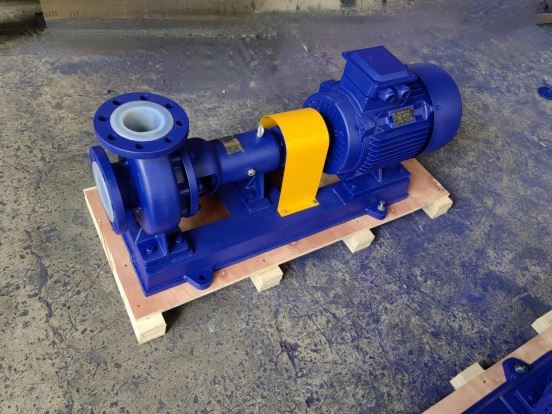
Also, the impeller design matters a lot. An impeller with a greater number of vanes and a well - optimized shape can transfer more energy to the fluid, which in turn can result in higher discharge pressures. Some of our Horizontal Single Suction Centrifugal Pump models are designed with advanced impeller technology to achieve relatively high pressures.
Material of Construction
The materials used to build the pump have a huge impact on its pressure tolerance. For chemicals centrifugal pumps, since they deal with often corrosive and aggressive fluids, the material must be able to resist both the chemical attack and the mechanical stress from high pressure.
Stainless steel is a popular choice as it offers good corrosion resistance and mechanical strength. For more extreme applications, materials like Hastelloy or titanium might be used. Our IHF Chemicals Centrifugal Pump is made from high - quality materials that can handle a wide range of chemicals and also withstand significant pressure.
Sealing System
A proper sealing system is crucial for maintaining the integrity of the pump under high pressure. Leaks can occur if the seals aren't up to the task, which not only reduces the efficiency of the pump but can also be a safety hazard, especially when dealing with chemicals.
Mechanical seals are commonly used in chemicals centrifugal pumps. They are designed to prevent the fluid from leaking out of the pump while the pump is operating at high pressures. A well - designed and properly installed mechanical seal can ensure that the pump can operate at its maximum pressure rating without any issues.
Typical Pressure Ranges
In general, the maximum pressure that a chemicals centrifugal pump can withstand can vary widely. Small - scale pumps used in laboratory settings or for light - duty chemical transfer might have a maximum pressure rating of around 10 - 20 bar. These pumps are usually designed for low - volume, low - pressure applications.
On the other hand, industrial - grade chemicals centrifugal pumps can handle much higher pressures. Some of our heavy - duty pumps can reach maximum pressures of up to 100 bar or even more. For example, our Piping Centrifugal Pump is capable of delivering high - pressure performance in large - scale chemical processing plants.
Testing and Certification
To ensure that our pumps can handle the claimed maximum pressure, we conduct rigorous testing. We use specialized test rigs where the pump is subjected to increasing pressures until it reaches its design limit. This helps us verify the performance and safety of the pump.
In addition, many of our pumps are certified by international standards organizations. Certifications like ISO 9001 and API 610 ensure that the pumps meet strict quality and performance criteria. This gives our customers peace of mind knowing that the pumps they are buying are reliable and can handle the pressures required for their applications.
Importance of Knowing the Maximum Pressure
Understanding the maximum pressure a chemicals centrifugal pump can withstand is crucial for several reasons. First, it helps in proper pump selection. If you choose a pump with a lower pressure rating than what your application requires, the pump won't be able to deliver the necessary flow and pressure, leading to inefficiencies and potential damage to the pump.
On the other hand, if you over - specify the pump and choose one with a much higher pressure rating than needed, you'll end up spending more money on the pump and also on its operation. So, getting the pressure rating right is key to optimizing your chemical processing system.

How to Determine the Right Pressure for Your Application
To figure out the maximum pressure your chemicals centrifugal pump needs to handle, you need to consider your process requirements. Look at the height to which the fluid needs to be pumped (static head), the resistance in the piping system (friction head), and any additional pressure requirements for the process itself.
You can also consult with our technical experts. We have a team of experienced engineers who can analyze your specific application and recommend the right pump with the appropriate pressure rating.
Conclusion
So, in a nutshell, the maximum pressure that a chemicals centrifugal pump can withstand depends on various factors like pump design, material of construction, and sealing system. The pressure range can vary from relatively low values for small - scale pumps to very high values for industrial - grade pumps.
If you're in the market for a chemicals centrifugal pump and need help determining the right pressure rating for your application, don't hesitate to reach out. We're here to assist you in finding the perfect pump solution for your chemical processing needs. Whether it's for a small - scale laboratory setup or a large - scale industrial plant, we've got the expertise and the product range to meet your requirements. Contact us today to start the procurement process and let's discuss how we can work together to optimize your chemical pumping system.
References
- "Centrifugal Pumps: Design and Application" by Igor J. Karassik
- "Chemical Process Equipment: Selection and Design" by Ernest E. Ludwig