

Hey there! As a supplier of Single Fire Pumps, I often get asked about how to set the pressure switch of a single fire pump. It's a crucial part of ensuring that your fire pump works effectively when you need it most. So, let's dive right in and break it down step by step.
Why Setting the Pressure Switch Matters
First off, why is setting the pressure switch so important? Well, the pressure switch is like the brain of your single fire pump. It controls when the pump turns on and off based on the water pressure in the system. If it's not set correctly, your pump might not start when there's a fire emergency, or it could run continuously, wasting energy and potentially causing damage to the pump.
Understanding Your Single Fire Pump
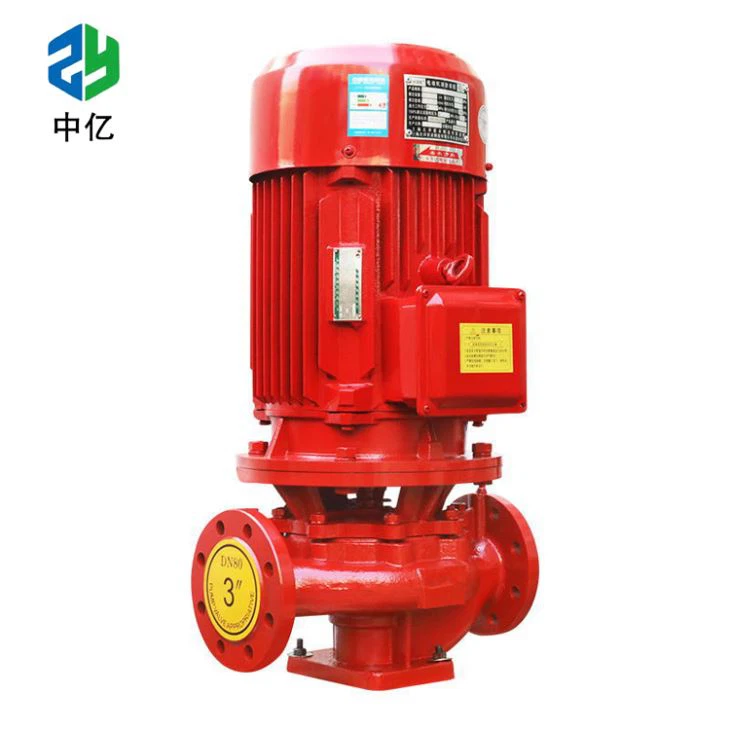
Before you start setting the pressure switch, it's essential to understand the type of single fire pump you have. We offer a variety of single fire pumps, including the Stainless Steel Single Fire Pump, the Horizontal Single Stage Fire Pump, and the Single Stage Fire Pump. Each type might have slightly different requirements for setting the pressure switch, so make sure you refer to the user manual that came with your specific pump.
Tools You'll Need
To set the pressure switch of your single fire pump, you'll need a few basic tools:
- A pressure gauge: This will help you measure the water pressure accurately.
- A screwdriver: You'll use this to adjust the pressure switch settings.
- Safety gear: Wear safety glasses and gloves to protect yourself while working on the pump.
Step-by-Step Guide to Setting the Pressure Switch
Step 1: Turn Off the Power
Safety first! Before you start working on the pressure switch, turn off the power to the fire pump. This will prevent any electrical accidents while you're making adjustments.
Step 2: Locate the Pressure Switch
The pressure switch is usually located near the pump. It's a small box with wires connected to it. Refer to your pump's user manual if you're having trouble finding it.
Step 3: Check the Current Settings
Use the pressure gauge to measure the current water pressure in the system. This will give you an idea of where the pressure switch is currently set. The pressure switch has two main settings: the cut-in pressure and the cut-out pressure. The cut-in pressure is the point at which the pump turns on, and the cut-out pressure is the point at which the pump turns off.
Step 4: Adjust the Cut-In Pressure
To adjust the cut-in pressure, use the screwdriver to turn the adjustment screw on the pressure switch. Turning the screw clockwise will increase the cut-in pressure, while turning it counterclockwise will decrease it. Make small adjustments and check the pressure gauge after each adjustment until you reach the desired cut-in pressure.
Step 5: Adjust the Cut-Out Pressure
The cut-out pressure is usually set a certain amount higher than the cut-in pressure. To adjust the cut-out pressure, use the other adjustment screw on the pressure switch. Again, make small adjustments and check the pressure gauge until you reach the desired cut-out pressure.
Step 6: Test the Pump
Once you've adjusted the pressure switch settings, turn the power back on to the fire pump. Let the pump run and monitor the pressure gauge to make sure the pump turns on and off at the correct pressures. If the pump doesn't work as expected, double-check your settings and make any necessary adjustments.
Tips for Setting the Pressure Switch
- Follow the Manufacturer's Recommendations: Always refer to the user manual that came with your single fire pump for specific instructions on setting the pressure switch. The manufacturer's recommendations are based on the pump's design and performance, so following them will ensure optimal operation.
- Make Small Adjustments: When adjusting the pressure switch settings, make small adjustments at a time. This will help you avoid overshooting the desired pressure settings and make it easier to fine-tune the switch.
- Regularly Check the Pressure Switch: Over time, the pressure switch settings might change due to factors like vibration or wear and tear. It's a good idea to regularly check the pressure switch settings and make any necessary adjustments to ensure that the pump continues to work properly.
Conclusion
Setting the pressure switch of a single fire pump is an important task that requires careful attention to detail. By following the steps outlined in this guide and using the right tools, you can ensure that your fire pump works effectively when you need it most.
If you have any questions or need further assistance with setting the pressure switch of your single fire pump, don't hesitate to reach out. We're here to help you make the most of your fire pump and keep your property safe. Whether you're looking for a new Stainless Steel Single Fire Pump, a Horizontal Single Stage Fire Pump, or a Single Stage Fire Pump, we've got you covered. Contact us today to discuss your needs and get started on finding the perfect fire pump for your situation.

References
- Manufacturer's user manuals for single fire pumps.
- Industry standards and best practices for fire pump installation and maintenance.