

Hey there! If you're in the market for a single fire pump, you're probably aware that energy efficiency is a big deal. Higher energy efficiency not only cuts down on operational costs but also minimizes environmental impact. As a single fire pump supplier, I've seen firsthand how crucial it is to optimize the energy use of these pumps. In this blog, I'll share some practical tips on making a single fire pump more energy-efficient.
1. Select the Right Pump Size
One of the most fundamental steps in ensuring energy efficiency is choosing the appropriate pump size. An oversized pump will consume more energy than necessary because it has to throttle back to meet the actual demand. On the other hand, an undersized pump will struggle to deliver the required flow and pressure, leading to inefficiencies and potentially failing to meet fire protection needs.
When selecting a pump, work with a professional to conduct a thorough analysis of your site's specific requirements. Consider factors such as the building's size, occupancy, and the type of fire protection system in place. You can check out our Single Stage Fire Pump offerings, which come in various sizes to fit different needs.
2. Optimize Pump Speed
Adjusting the pump speed can significantly improve energy efficiency. Instead of running the pump at a constant, high speed, you can use variable speed drives (VSDs). These drives allow the pump to operate at the speed needed to meet the current demand, rather than running at full bore all the time.
For example, during normal operation when there is no immediate fire threat, the pump can run at a lower speed, consuming less energy. When a fire is detected and higher flow and pressure are required, the VSD can ramp up the pump speed accordingly. This not only saves energy but also reduces wear and tear on the pump, extending its lifespan.
3. Maintain the Pump Regularly
Regular maintenance is key to keeping your fire pump running efficiently. A well-maintained pump will operate more smoothly and consume less energy. Here are some maintenance tasks you should perform regularly:
- Inspect and clean the pump: Check for any debris or blockages in the pump and its intake. Clean the impeller and volute to ensure proper flow.
- Lubricate moving parts: Keep the pump's bearings and seals properly lubricated to reduce friction and energy loss.
- Check the alignment: Misaligned pumps can cause excessive vibration and energy consumption. Make sure the pump and motor are properly aligned.
- Test the control system: Ensure that the pump's control system is functioning correctly. This includes checking the pressure switches, flow meters, and other sensors.
Our team can provide maintenance services for your single fire pump. Just reach out to us for more information.
4. Use High - Efficiency Motors
The motor is a major component of the fire pump system, and using a high - efficiency motor can make a big difference in energy consumption. Look for motors that meet or exceed the latest energy efficiency standards.
High - efficiency motors are designed to convert more of the electrical energy into mechanical energy, reducing the amount of energy wasted as heat. They may have a higher upfront cost, but the long - term energy savings can more than offset this initial investment.
5. Implement a Monitoring System
Installing a monitoring system can help you track the performance of your fire pump and identify any inefficiencies early on. A monitoring system can measure parameters such as flow rate, pressure, and energy consumption.
By analyzing this data, you can detect trends and anomalies that may indicate a problem with the pump. For example, if the energy consumption is increasing over time while the flow rate remains the same, it could be a sign of a worn impeller or a blockage in the system.
With early detection, you can take corrective action before the problem escalates, saving energy and avoiding costly repairs.
6. Consider a Diesel - Driven Option
If you're looking for an alternative power source for your fire pump, a Diesel Driven Fire Pump can be a great option. Diesel engines can be more fuel - efficient than electric motors in certain situations, especially when continuous operation is required.
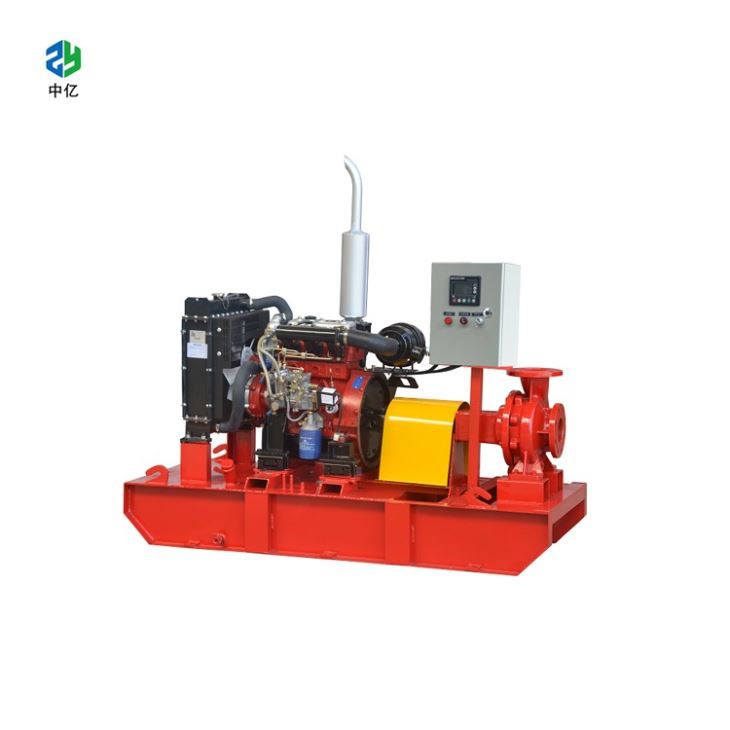

Diesel engines also offer better reliability in case of a power outage, which is crucial for fire protection systems. And with the right maintenance, a Fire Pump Diesel Engine can provide long - term, efficient operation.
Conclusion
Making a single fire pump more energy - efficient is not only beneficial for your bottom line but also for the environment. By following these tips, you can optimize the performance of your fire pump and reduce energy consumption.
As a single fire pump supplier, we're committed to helping our customers find the most energy - efficient solutions. If you're interested in purchasing a single fire pump or need advice on improving the energy efficiency of your existing system, don't hesitate to reach out. We're here to assist you in making the right decisions for your fire protection needs.
References
- "Pump Systems Matter: Improving Energy Efficiency." Hydraulic Institute and the U.S. Department of Energy.
- "Energy - Efficient Motor Selection Guide." Electrical Apparatus Service Association.
- "Best Practices for Pump System Optimization." Water Research Foundation.