

Hey there! As a supplier of submersible sand pumps, I've seen my fair share of issues that can pop up with these powerful machines. One of the most common and potentially damaging problems is the cavitation phenomenon. So, let's dive right in and talk about what cavitation is in a submersible sand pump and how we can prevent it.
What is Cavitation in a Submersible Sand Pump?
First things first, what the heck is cavitation? Well, in simple terms, cavitation occurs when the pressure of the liquid inside the pump drops below its vapor pressure. When this happens, tiny vapor bubbles form in the liquid. These bubbles then travel with the liquid flow until they reach an area of higher pressure. At this point, the bubbles collapse suddenly, creating a shockwave.
Imagine you're at the beach, and you see a wave crashing onto the shore. That sudden impact is a bit like what happens when these vapor bubbles collapse inside the pump. The shockwaves from the collapsing bubbles can cause a whole lot of damage. They can erode the pump's impeller, casing, and other internal components over time. This erosion not only reduces the pump's efficiency but can also lead to costly repairs or even the need for a complete replacement.
You might be wondering, what causes the pressure to drop in the first place? There are a few factors that can contribute to cavitation in a submersible sand pump. One common cause is a clogged suction line. If the suction line is blocked with debris or sediment, it restricts the flow of liquid into the pump. This restriction can cause the pressure at the pump's inlet to drop, leading to cavitation.
Another factor is the pump being operated at too high a speed. When a pump runs at a speed that's higher than its recommended operating range, the liquid inside the pump can experience a significant drop in pressure. This drop in pressure can trigger the formation of vapor bubbles and, ultimately, cavitation.
How to Identify Cavitation
So, how can you tell if your submersible sand pump is experiencing cavitation? There are a few signs to look out for. One of the most obvious signs is a loud, crackling or popping noise coming from the pump. This noise is caused by the shockwaves created when the vapor bubbles collapse. If you hear this kind of noise, it's a pretty good indication that cavitation is occurring.
Another sign is a decrease in the pump's performance. You might notice that the pump isn't delivering as much water or sand as it used to. This decrease in performance is due to the damage caused by the cavitation to the pump's internal components.
You might also see visible signs of erosion on the pump's impeller or casing. If you inspect the pump and notice pitting or rough spots on these components, it's likely that cavitation has been at work.
Preventing Cavitation in a Submersible Sand Pump
Now that we know what cavitation is and how to identify it, let's talk about how we can prevent it. The good news is that there are several steps you can take to keep cavitation at bay.
1. Keep the Suction Line Clear
As I mentioned earlier, a clogged suction line is one of the main causes of cavitation. To prevent this, make sure to regularly inspect and clean the suction line. Remove any debris or sediment that might be blocking the flow of liquid into the pump. You can also install a suction strainer to help prevent large particles from entering the pump and clogging the suction line.
2. Operate the Pump at the Right Speed
It's important to operate the submersible sand pump within its recommended speed range. Check the pump's manual or consult with the manufacturer to find out the optimal operating speed. Running the pump at the right speed ensures that the pressure inside the pump remains stable and reduces the risk of cavitation.
3. Maintain Proper Liquid Level
The liquid level around the pump also plays a crucial role in preventing cavitation. Make sure the pump is submerged deep enough in the liquid. If the liquid level is too low, it can cause the pump to draw in air, which can lead to a drop in pressure and cavitation. On the other hand, if the liquid level is too high, it can put additional stress on the pump and also increase the risk of cavitation.
4. Choose the Right Pump for the Job
Selecting the right submersible sand pump for your specific application is essential. Consider factors such as the flow rate, head, and the type of liquid or sand you'll be pumping. Using a pump that's not properly sized or designed for the job can increase the likelihood of cavitation.
Our Range of Submersible Pumps
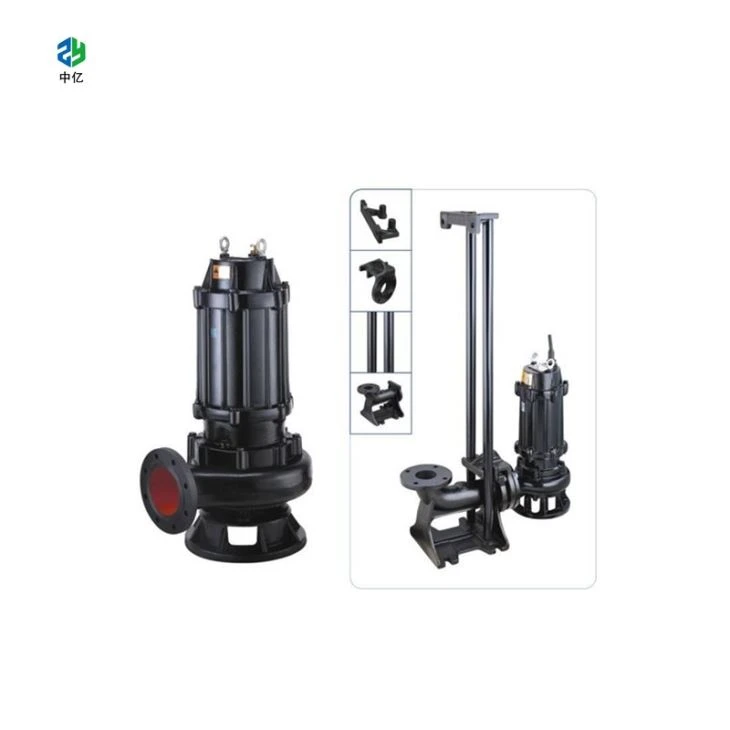
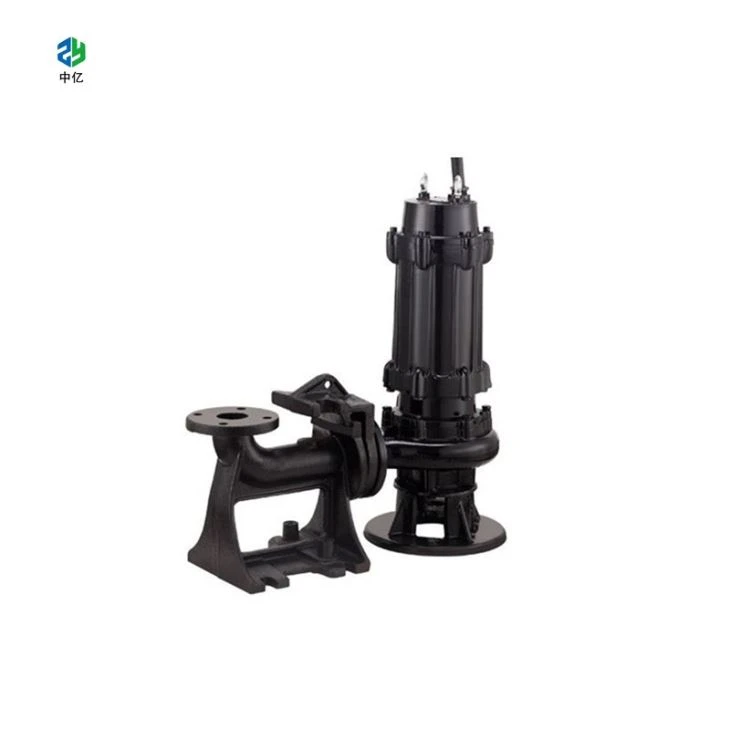
At our company, we offer a wide range of high-quality submersible sand pumps that are designed to minimize the risk of cavitation. We also have other great options like the Submersible Sewage Cutter Pump and the Cast Iron Submersible Sewage Pump. These pumps are built with durable materials and advanced technology to ensure reliable performance and long service life.
Our team of experts can help you choose the right pump for your needs and provide you with all the information you need to operate and maintain it properly. Whether you're in the mining industry, construction, or any other field that requires the use of submersible pumps, we've got you covered.
Conclusion
Cavitation is a serious issue that can cause significant damage to submersible sand pumps. But by understanding what causes cavitation and taking the necessary preventive measures, you can keep your pump running smoothly and avoid costly repairs. If you're in the market for a new submersible sand pump or need help with an existing one, don't hesitate to get in touch with us. We're here to help you find the best solution for your pumping needs.
References
- Pump Handbook, by Igor J. Karassik, Joseph P. Messina, Paul Cooper, and Charles C. Heald.
- Hydraulic Pumps: Principles, Characteristics, and Selection, by Heinz P. Bloch and Fred K. Geitner.