

Hey there! As a supplier of multistage centrifugal pumps, I've seen firsthand how important it is to keep these pumps clean. A well - maintained pump not only runs more efficiently but also has a longer lifespan. So, let's dive into how to clean a multistage centrifugal pump.
Pre - cleaning Preparations
Before you start cleaning, safety first! Make sure the pump is completely shut off and disconnected from the power source. This prevents any accidental starts that could lead to serious injuries. Also, relieve all the pressure in the pump system. You can do this by opening the discharge valve and letting the fluid drain out.
Next, gather your cleaning supplies. You'll need some basic tools like wrenches to remove the pump casing, a soft - bristle brush, a cleaning solution (you can use a mild detergent for general cleaning), and plenty of clean water. It's also a good idea to have some rags or towels on hand to dry the parts after cleaning.
Disassembling the Pump
Now, it's time to take the pump apart. Start by removing the bolts that hold the pump casing together. Be careful when you do this, as some parts might be heavy. Once the casing is off, you'll see the impellers, diffusers, and other internal components.
The impellers are the heart of the multistage centrifugal pump. They're responsible for increasing the fluid's velocity. Carefully remove the impellers one by one. You might need to use a special puller tool for this, especially if they're stuck. Also, take note of how the impellers are oriented and the order in which they're installed. This will make reassembly much easier.
The diffusers are another important part. They convert the kinetic energy of the fluid into pressure energy. Remove the diffusers gently and set them aside. You'll also need to remove the seals and gaskets. These can wear out over time, so it's a good opportunity to check if they need to be replaced.
Cleaning the Components
Let's start with the impellers. Use a soft - bristle brush and the cleaning solution to scrub away any dirt, debris, or scale that has built up on the impellers. Pay special attention to the vanes, as any blockage here can affect the pump's performance. Rinse the impellers thoroughly with clean water to remove all the cleaning solution.
The diffusers can also get dirty. Scrub them in the same way as the impellers. Make sure to clean the passages in the diffusers to ensure smooth fluid flow.
The pump casing needs a good clean too. Wipe down the inside and outside of the casing with a rag soaked in the cleaning solution. This will remove any grease or dirt that has accumulated over time.
For the seals and gaskets, soak them in the cleaning solution for a while. Then, gently clean them with a brush. Check for any signs of damage, such as cracks or tears. If you find any, it's best to replace them.
Inspecting the Components
While you have the pump apart, it's a great time to inspect the components for any signs of wear or damage. Look for any cracks, pitting, or excessive wear on the impellers and diffusers. If you notice any significant damage, these parts might need to be replaced.
Check the shaft for any signs of bending or wear. A bent shaft can cause the pump to vibrate and reduce its efficiency. Also, examine the bearings. They should rotate smoothly without any noise or excessive play. If the bearings are worn out, they need to be replaced immediately.
Reassembling the Pump
Once all the components are clean and inspected, it's time to put the pump back together. Start by installing the new seals and gaskets. Make sure they're properly seated and aligned. Then, install the diffusers in the correct order and orientation.

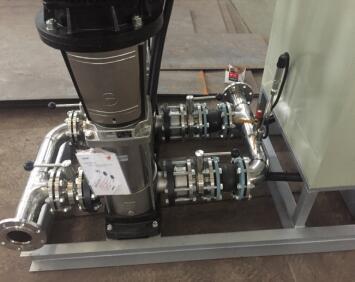
Next, carefully install the impellers. Remember to follow the order and orientation you noted during disassembly. Tighten the impellers securely, but don't over - tighten them, as this can damage the shaft or the impellers themselves.
Finally, put the pump casing back on and tighten the bolts. Make sure the casing is properly aligned to prevent any leaks.
Testing the Pump
After reassembly, it's important to test the pump. Reconnect the power source and slowly start the pump. Check for any leaks around the casing, seals, or connections. Listen for any unusual noises, such as grinding or rattling. These could indicate a problem with the pump's operation.
Monitor the pump's performance, including the flow rate and pressure. Compare these values with the pump's specifications. If you notice any significant deviations, there might be an issue that needs to be addressed.
Related Products
If you're in the market for a new multistage centrifugal pump, we have some great options available. Check out our Stainless Steel Manifold Water Booster pump Set, which is perfect for boosting water pressure in various applications. Our Horizontal Centrifugal Multistage Pump is known for its high efficiency and reliability. And for a constant water supply, our Constant Water Pump is a top - notch choice.
Contact for Purchase
If you're interested in purchasing any of our multistage centrifugal pumps or have any questions about pump cleaning and maintenance, don't hesitate to reach out. We're here to help you find the right pump for your needs and ensure that it operates at its best.
References
- "Centrifugal Pumps: Design and Application" by Igor J. Karassik
- "Pump Handbook" by Karassik, Messina, Cooper, and Heald