

Hey there! As a supplier of Booster Pump Sets, I know how crucial it is to ensure the safety of these systems. In this blog post, I'll share some practical tips and insights on how to keep your booster pump set running safely and efficiently.
1. Installation: The First Step to Safety
Proper installation is the foundation of a safe booster pump set. When you're setting up your pump, make sure to follow the manufacturer's instructions carefully. This includes choosing the right location, ensuring proper alignment, and using the correct mounting hardware.
- Location: Select a well-ventilated area that's free from debris and moisture. The pump should be installed on a flat, stable surface to prevent vibrations that could lead to damage over time. Avoid placing the pump near flammable materials or in areas with high traffic to reduce the risk of accidents.
- Alignment: Misalignment can cause excessive wear and tear on the pump's components, leading to premature failure. Use a laser alignment tool to ensure that the pump and motor are perfectly aligned. This will not only improve the pump's performance but also extend its lifespan.
- Mounting Hardware: Use high-quality mounting hardware that's appropriate for the size and weight of the pump. Make sure the bolts are tightened to the manufacturer's specifications to prevent the pump from moving or vibrating during operation.
2. Regular Maintenance: Keep Your Pump in Top Shape
Regular maintenance is essential for ensuring the safety and reliability of your booster pump set. By performing routine checks and maintenance tasks, you can identify and address potential issues before they become major problems.
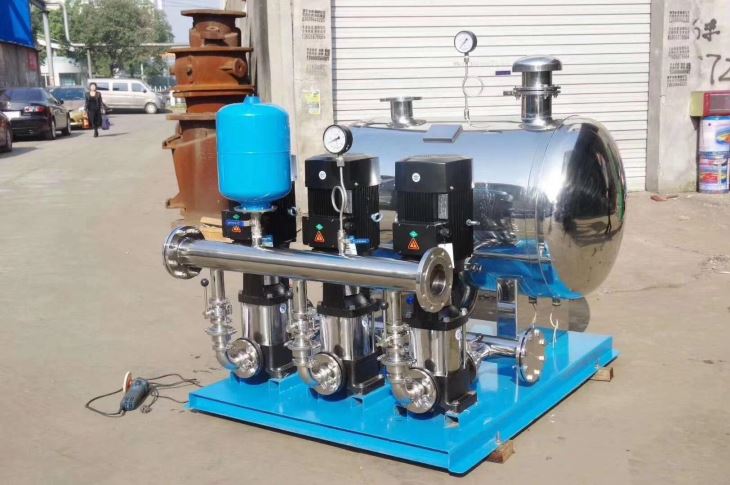

- Inspections: Conduct regular visual inspections of the pump and its components. Look for signs of wear, damage, or leaks. Check the belts, couplings, and seals for any signs of looseness or wear. Make sure the electrical connections are tight and free from corrosion.
- Lubrication: Proper lubrication is crucial for the smooth operation of the pump. Follow the manufacturer's recommendations for lubricating the bearings, gears, and other moving parts. Use the correct type and amount of lubricant to prevent overheating and premature wear.
- Filter Replacement: The filters in your booster pump set play a vital role in protecting the pump from contaminants. Replace the filters regularly to ensure that they're working effectively. A clogged filter can reduce the pump's performance and increase the risk of damage to the pump's components.
- Testing: Periodically test the pump's performance to ensure that it's operating within the manufacturer's specifications. Use a pressure gauge and flow meter to measure the pump's output pressure and flow rate. Compare the results to the pump's performance curve to identify any deviations.
3. Safety Devices: Protect Your Pump and Personnel
Installing safety devices on your booster pump set is an important step in ensuring the safety of your equipment and personnel. These devices can help prevent accidents and protect the pump from damage.
- Pressure Relief Valves: Pressure relief valves are designed to open when the pressure in the pump exceeds a certain level. This helps prevent overpressure, which can cause damage to the pump and its components. Make sure the pressure relief valve is properly sized and installed according to the manufacturer's specifications.
- Temperature Sensors: Temperature sensors can monitor the temperature of the pump's motor and other components. If the temperature exceeds a certain level, the sensor can trigger an alarm or shut down the pump to prevent overheating.
- Flow Switches: Flow switches can detect the presence or absence of flow in the pump. If the flow stops or drops below a certain level, the switch can trigger an alarm or shut down the pump to prevent damage to the pump's components.
- Emergency Stop Buttons: Install emergency stop buttons in easily accessible locations near the pump. These buttons can be used to quickly shut down the pump in case of an emergency.
4. Operator Training: Empower Your Team
Proper operator training is essential for ensuring the safe and efficient operation of your booster pump set. Make sure your operators are trained on how to operate the pump correctly, perform routine maintenance tasks, and respond to emergencies.
- Training Programs: Develop a comprehensive training program for your operators that covers all aspects of the booster pump set's operation and maintenance. Include hands-on training sessions and provide operators with access to the manufacturer's manuals and technical documentation.
- Safety Procedures: Establish clear safety procedures for operating the booster pump set. Make sure operators are aware of the potential hazards associated with the pump and know how to take appropriate safety precautions.
- Emergency Response Training: Provide operators with training on how to respond to emergencies, such as pump failures, leaks, or fires. Make sure they know how to use the emergency stop buttons and other safety devices.
5. Quality Components: Invest in Reliability
Using high-quality components is essential for ensuring the safety and reliability of your booster pump set. When selecting components for your pump, choose products from reputable manufacturers that have a proven track record of quality and reliability.
- Pumps: Choose a pump that's appropriate for your application and operating conditions. Consider factors such as flow rate, pressure, temperature, and the type of fluid being pumped. Look for pumps that are designed to meet or exceed industry standards.
- Motors: Select a motor that's compatible with the pump and has the appropriate horsepower and speed. Make sure the motor is designed to operate in the environment where the pump will be installed.
- Valves and Fittings: Use high-quality valves and fittings that are designed to withstand the pressure and temperature of the fluid being pumped. Make sure the valves and fittings are properly sized and installed according to the manufacturer's specifications.
Conclusion
Ensuring the safety of a booster pump set requires a combination of proper installation, regular maintenance, safety devices, operator training, and quality components. By following these tips and best practices, you can minimize the risk of accidents and ensure the reliable operation of your pump.
If you're in the market for a booster pump set, I recommend checking out our Constant Water Pump, Stainless Steel Manifold Water Booster pump Set, and Vertical Multistage Centrifugal Pump. These pumps are designed to provide reliable and efficient performance in a variety of applications.
If you have any questions or would like to discuss your specific needs, please don't hesitate to contact us. We're here to help you find the right pump solution for your project.
References
- Manufacturer's manuals and technical documentation
- Industry standards and guidelines
- Best practices for pump installation, maintenance, and safety