

What are the operation optimization strategies for a double suction pump?
Hey there! As a supplier of double suction pumps, I've seen firsthand how crucial it is to optimize the operation of these pumps. Double suction pumps are widely used in various industries, from water supply and drainage to power generation and HVAC systems. They offer high efficiency, stability, and flexibility, but only when they're operating at their best. So, in this blog post, I'm going to share some of the key operation optimization strategies for double suction pumps.
1. Regular Maintenance
One of the most important aspects of optimizing the operation of a double suction pump is regular maintenance. Just like any other piece of equipment, double suction pumps need to be inspected, cleaned, and serviced regularly to ensure they're running smoothly. Here are some maintenance tasks you should perform on a regular basis:
- Check the oil and lubrication: Make sure the oil level in the pump's bearings is correct and that the lubrication is clean. Dirty or low oil levels can cause excessive wear and tear on the bearings, leading to premature failure.
- Inspect the seals: Check the seals on the pump for any signs of leakage. Leaking seals can cause loss of pressure and efficiency, as well as damage to the pump's components.
- Clean the impeller and casing: Over time, dirt, debris, and other contaminants can accumulate on the impeller and casing of the pump, reducing its efficiency. Regularly cleaning these components can help prevent this from happening.
- Check the alignment: Misalignment between the pump and the motor can cause excessive vibration and wear on the pump's components. Use a laser alignment tool to check the alignment of the pump and motor regularly and make any necessary adjustments.
- Test the pump performance: Regularly test the pump's performance to ensure it's operating at its rated capacity and efficiency. This can help you identify any potential problems early on and take corrective action before they become major issues.
2. Proper Installation
Proper installation is another crucial factor in optimizing the operation of a double suction pump. A poorly installed pump can cause a variety of problems, including vibration, noise, and premature failure. Here are some installation tips to keep in mind:

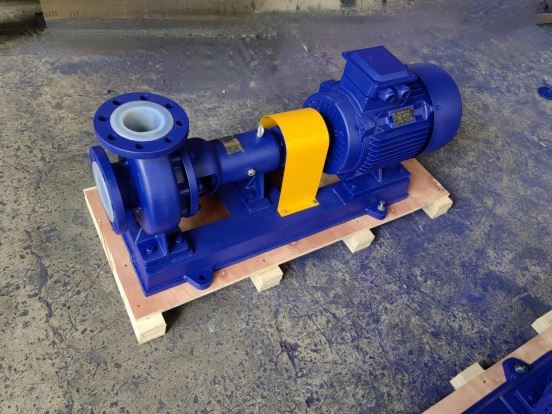
- Choose the right location: Select a location for the pump that is level, well-ventilated, and free from excessive heat, moisture, and vibration. The pump should also be easily accessible for maintenance and repair.
- Mount the pump securely: Use a suitable mounting base and bolts to secure the pump to the floor or foundation. Make sure the pump is level and that the mounting bolts are tightened to the manufacturer's specifications.
- Connect the piping correctly: Use the correct size and type of piping for the pump and make sure it's properly supported and aligned. Avoid sharp bends, elbows, and other restrictions in the piping, as these can cause excessive pressure drop and reduce the pump's efficiency.
- Install the necessary valves and fittings: Install the necessary valves and fittings, such as check valves, gate valves, and pressure gauges, to control the flow and pressure of the fluid in the system. Make sure these components are properly sized and installed.
- Prime the pump: Before starting the pump, make sure it's properly primed to remove any air from the system. Failure to prime the pump can cause cavitation, which can damage the impeller and other components of the pump.
3. Optimal Operating Conditions
In addition to regular maintenance and proper installation, operating the double suction pump under optimal conditions is also essential for maximizing its efficiency and performance. Here are some factors to consider when operating the pump:
- Flow rate and pressure: Make sure the pump is operating within its rated flow rate and pressure range. Operating the pump outside of this range can cause excessive wear and tear on the pump's components, as well as reduce its efficiency.
- Temperature and viscosity: The temperature and viscosity of the fluid being pumped can also affect the pump's performance. Make sure the fluid temperature and viscosity are within the pump's recommended operating range.
- Suction and discharge conditions: The suction and discharge conditions of the pump can also have a significant impact on its performance. Make sure the suction and discharge pipes are properly sized and installed, and that there are no restrictions or blockages in the system.
- Speed and power: The speed and power of the pump can also affect its efficiency and performance. Make sure the pump is operating at the correct speed and power for the application.
- Control and monitoring: Use a control system to monitor and adjust the pump's operation as needed. This can help ensure that the pump is operating at its optimal efficiency and performance, as well as prevent any potential problems from occurring.
4. Upgrade and Retrofit
Finally, upgrading and retrofitting the double suction pump can also be an effective way to optimize its operation. Over time, new technologies and advancements in pump design and materials can become available, which can improve the pump's efficiency, performance, and reliability. Here are some upgrade and retrofit options to consider:
- Replace the impeller: Upgrading to a more efficient impeller can improve the pump's performance and reduce its energy consumption. There are a variety of impeller designs available, each with its own advantages and disadvantages.
- Install a variable frequency drive (VFD): A VFD can adjust the speed of the pump motor based on the demand for flow and pressure, which can help reduce energy consumption and extend the life of the pump.
- Upgrade the seals and bearings: Upgrading to higher-quality seals and bearings can help reduce leakage and wear on the pump's components, improving its reliability and efficiency.
- Add a monitoring and control system: Installing a monitoring and control system can help you track the pump's performance and identify any potential problems early on. This can help you take corrective action before they become major issues.
- Replace the pump: In some cases, it may be more cost-effective to replace the entire pump with a newer, more efficient model. This is especially true if the existing pump is old, inefficient, or unreliable.
Conclusion
Optimizing the operation of a double suction pump is essential for ensuring its efficiency, performance, and reliability. By following the strategies outlined in this blog post, you can help extend the life of your pump, reduce energy consumption, and improve the overall performance of your system. If you have any questions or need further assistance with optimizing the operation of your double suction pump, don't hesitate to [contact us for a procurement discussion]. We're here to help!
References
- Pump Handbook, 4th Edition, by Karassik, Messina, Cooper, and Heald
- Centrifugal Pumps: Design and Application, by Richard P. Rowse
- Engineering ToolBox - Pump Efficiency and Power Consumption
- Hydraulic Institute Standards for Centrifugal Pumps