

Hey there! As a supplier of IS Clean Water Pumps, I often get asked about the shaft seal types of these pumps. So, I thought I'd share some insights on this topic.
First off, let's understand why shaft seals are so important in an IS Clean Water Pump. The shaft seal is like a little guard that keeps the pumped water from leaking out along the pump shaft. If the seal fails, it can lead to all sorts of problems, like loss of efficiency, water wastage, and even damage to the pump and its surroundings.
There are a few common shaft seal types used in IS Clean Water Pumps, and I'll break them down for you.
1. Packing Seals
Packing seals are one of the oldest and most traditional types of shaft seals. They're made up of a bunch of soft, fibrous materials like graphite, asbestos (although asbestos is less commonly used these days due to health concerns), or synthetic fibers. These materials are packed around the pump shaft in a gland, and when the gland is tightened, it creates a seal against the shaft.
One of the big advantages of packing seals is that they're relatively cheap and easy to install. If you're on a tight budget or need a quick fix, packing seals can be a good option. They're also quite forgiving when it comes to shaft misalignment and vibration.
However, packing seals do have some drawbacks. They tend to wear out faster than other types of seals, which means you'll have to replace them more often. And because they rely on friction to create a seal, they can generate a fair amount of heat, which can lead to premature wear and tear on the shaft. Plus, they usually require a small amount of leakage to lubricate the packing and keep it cool, so you might notice a little bit of water dripping from the pump.
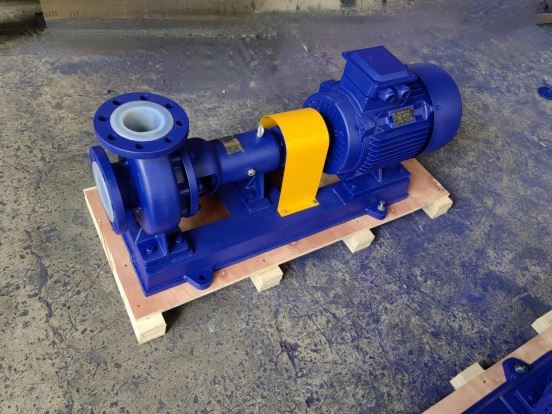

2. Mechanical Seals
Mechanical seals are a more modern and efficient alternative to packing seals. They consist of two flat faces - one stationary and one rotating - that are pressed together to create a seal. The faces are usually made of hard materials like ceramic, carbon, or silicon carbide, which are highly resistant to wear and corrosion.
One of the main advantages of mechanical seals is that they offer a much better seal than packing seals. They can virtually eliminate leakage, which means less water wastage and a cleaner working environment. They also require less maintenance than packing seals, since they don't wear out as quickly. And because they don't rely on friction to create a seal, they generate less heat, which can extend the life of the pump shaft.
However, mechanical seals are more expensive than packing seals, and they require more precise installation. If they're not installed correctly, they can fail prematurely, which can be a costly mistake. They're also more sensitive to shaft misalignment and vibration, so you'll need to make sure your pump is properly aligned and balanced.
3. Cartridge Seals
Cartridge seals are a type of mechanical seal that comes pre-assembled in a cartridge. This makes them even easier to install than traditional mechanical seals, since you don't have to worry about aligning the individual components. You simply slide the cartridge onto the pump shaft and tighten a few bolts, and you're good to go.
Like mechanical seals, cartridge seals offer a high level of sealing performance and require minimal maintenance. They're also more resistant to contamination and corrosion than other types of seals, which makes them a good choice for applications where the pumped water contains impurities.
However, cartridge seals are even more expensive than traditional mechanical seals, so they might not be the best option if you're on a tight budget. And because they're pre-assembled, it can be more difficult to repair them if they fail. You might have to replace the entire cartridge, which can be costly.
4. Magnetic Seals
Magnetic seals are a relatively new type of shaft seal that uses magnetic force to create a seal. They consist of two magnets - one on the pump shaft and one on the stationary part of the pump - that are attracted to each other. When the pump is running, the magnetic force keeps the two magnets together, creating a seal that prevents water from leaking out.
One of the biggest advantages of magnetic seals is that they're completely leak-free. They don't require any lubrication or cooling, which means you don't have to worry about water dripping from the pump. They're also very reliable and long-lasting, since they don't have any moving parts that can wear out.
However, magnetic seals are the most expensive type of shaft seal, and they require a special type of pump design. They're also not suitable for all applications, since they can be affected by magnetic fields and high temperatures.
So, which shaft seal type is right for your IS Clean Water Pump? Well, it really depends on your specific needs and budget. If you're looking for a cheap and easy solution, packing seals might be the way to go. But if you need a more reliable and efficient seal, mechanical seals or cartridge seals could be a better choice. And if you're willing to spend a little extra for a completely leak-free solution, magnetic seals might be worth considering.
At our company, we offer a wide range of IS Clean Water Pumps with different shaft seal types to suit your needs. Whether you're in the market for a IHF Chemicals Centrifugal Pump, a Horizontal Single Suction Centrifugal Pump, or a Single horizontal centrifugal pump, we've got you covered.
If you're interested in learning more about our products or have any questions about shaft seal types, don't hesitate to get in touch. We'd be happy to help you find the perfect pump for your application and answer any questions you might have.
References
- "Pump Seals: A Comprehensive Guide" by Pump Industry Magazine
- "Mechanical Seals: Principles and Applications" by John Doe
- "The Basics of Shaft Seals" by Pump World Online