

Hey there! As a supplier of IS Clean Water Pumps, I've seen firsthand the challenges that come with pumping abrasive fluids. Abrasive fluids can cause significant wear and tear on the pump, leading to reduced efficiency, increased maintenance costs, and even premature failure. In this blog post, I'll share some tips on how to reduce wear in the IS Clean Water Pump when pumping abrasive fluids.
Understanding the Problem
Before we dive into the solutions, let's take a closer look at why abrasive fluids cause wear in the pump. Abrasive fluids contain solid particles, such as sand, gravel, or metal shavings, that can scratch and erode the pump's internal components. The most common areas of wear in the IS Clean Water Pump are the impeller, volute, and seals.
The impeller is the rotating part of the pump that creates the centrifugal force needed to move the fluid. When abrasive particles come into contact with the impeller, they can cause the blades to wear down, reducing the pump's efficiency. The volute is the stationary part of the pump that surrounds the impeller and directs the fluid flow. Abrasive particles can also cause wear on the volute, leading to leaks and reduced performance. The seals are responsible for preventing the fluid from leaking out of the pump. Abrasive particles can damage the seals, causing them to fail and allowing the fluid to escape.
Choosing the Right Pump
One of the most important steps in reducing wear in the IS Clean Water Pump when pumping abrasive fluids is choosing the right pump for the job. Not all pumps are designed to handle abrasive fluids, so it's essential to select a pump that is specifically designed for this application.
When choosing a pump, consider the following factors:
- Material: The pump's material should be resistant to wear and corrosion. Common materials used for pumps that handle abrasive fluids include stainless steel, cast iron, and rubber-lined pumps.
- Design: The pump's design should minimize the contact between the abrasive particles and the internal components. For example, some pumps have a larger impeller eye or a wider volute to reduce the velocity of the fluid and minimize the impact of the abrasive particles.
- Size: The pump's size should be appropriate for the flow rate and pressure requirements of the application. A pump that is too small may not be able to handle the abrasive fluid, while a pump that is too large may be inefficient and waste energy.
Here are some examples of pumps that are suitable for pumping abrasive fluids:
- Piping Centrifugal Pump: This type of pump is designed for use in piping systems and is suitable for pumping abrasive fluids with a low to medium solids content.
- Horizontal Single Suction Centrifugal Pump: This pump is commonly used in industrial applications and is suitable for pumping abrasive fluids with a high solids content.
- Single horizontal centrifugal pump: This pump is designed for use in a variety of applications and is suitable for pumping abrasive fluids with a low to medium solids content.
Pre-Treating the Fluid
Another way to reduce wear in the IS Clean Water Pump when pumping abrasive fluids is to pre-treat the fluid before it enters the pump. Pre-treating the fluid can help remove some of the solid particles and reduce the abrasive nature of the fluid.
Here are some common pre-treatment methods:
- Filtration: Filtration is the most common method of pre-treating abrasive fluids. A filter can be installed upstream of the pump to remove the solid particles from the fluid. There are several types of filters available, including screen filters, cartridge filters, and bag filters.
- Sedimentation: Sedimentation is a process in which the fluid is allowed to settle in a tank or basin. The solid particles will sink to the bottom of the tank, allowing the clean fluid to be pumped out.
- Chemical Treatment: Chemical treatment can be used to reduce the abrasive nature of the fluid. For example, adding a flocculant to the fluid can cause the solid particles to clump together, making them easier to remove by filtration or sedimentation.
Operating the Pump Correctly
Proper operation of the pump is also essential for reducing wear when pumping abrasive fluids. Here are some tips on how to operate the pump correctly:
- Maintain the Correct Flow Rate and Pressure: Operating the pump at the correct flow rate and pressure is crucial for minimizing wear. Running the pump at a higher flow rate or pressure than recommended can increase the velocity of the fluid and cause more wear on the internal components.
- Avoid Dry Running: Dry running occurs when the pump is operated without fluid. This can cause the seals to overheat and fail, leading to leaks and damage to the pump. Always make sure the pump is filled with fluid before starting it.
- Monitor the Pump's Performance: Regularly monitoring the pump's performance can help you detect any signs of wear or damage early on. Check the pump's flow rate, pressure, and power consumption regularly and compare them to the manufacturer's specifications. If you notice any significant changes, it may be a sign that the pump needs maintenance or repair.
Regular Maintenance and Inspection
Regular maintenance and inspection are essential for keeping the IS Clean Water Pump in good working condition and reducing wear when pumping abrasive fluids. Here are some maintenance tasks that you should perform regularly:
- Clean the Pump: Regularly cleaning the pump can help remove any abrasive particles that may have accumulated on the internal components. Use a soft brush or cloth to clean the impeller, volute, and other components.
- Lubricate the Seals and Bearings: Lubricating the seals and bearings can help reduce friction and wear. Follow the manufacturer's recommendations for the type and frequency of lubrication.
- Replace Worn Components: Over time, the pump's internal components will wear down and need to be replaced. Regularly inspect the pump for signs of wear, such as cracks, chips, or excessive wear on the impeller blades. Replace any worn components as soon as possible to prevent further damage to the pump.
Conclusion
Pumping abrasive fluids can be a challenging task, but by following these tips, you can reduce wear in the IS Clean Water Pump and extend its lifespan. Remember to choose the right pump for the job, pre-treat the fluid, operate the pump correctly, and perform regular maintenance and inspection.
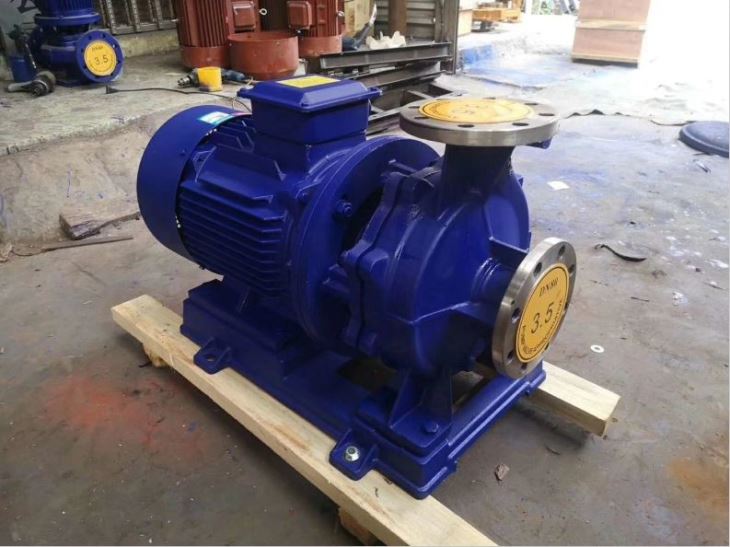

If you're in the market for a pump that can handle abrasive fluids, we're here to help. As a leading supplier of IS Clean Water Pumps, we offer a wide range of pumps that are specifically designed for this application. Contact us today to learn more about our products and how we can help you find the right pump for your needs.
References
- Pump Handbook, 4th Edition, by Igor J. Karassik, Joseph P. Messina, Paul Cooper, and Charles C. Heald.
- Centrifugal Pumps: Design and Application, 3rd Edition, by Heinz P. Bloch and Fred K. Geitner.
- Industrial Pumping Handbook, 2nd Edition, by Heinz P. Bloch and Fred K. Geitner.