

Hey there! As a supplier of Double Suction Pumps, I've been in the trenches dealing with all sorts of pump - related situations. I've seen pumps running smoothly and efficiently, and I've also witnessed some real headaches when things go wrong. So, in this blog, I'm gonna share some tips on how to optimize the operation of a double suction pump.
Understanding the Basics of Double Suction Pumps
First things first, let's quickly go over what a double suction pump is. It's a type of centrifugal pump that has two inlets for the fluid to enter the impeller from both sides. This design helps to balance the axial thrust, which is a major advantage compared to single - suction pumps. The balanced axial thrust means less wear and tear on the bearings and shafts, leading to a longer service life of the pump.
If you're new to pumps in general, you might also want to check out other types of centrifugal pumps. For example, there's the Piping Centrifugal Pump which is great for various piping systems, the IHF Chemicals Centrifugal Pump designed for handling chemicals, and the Horizontal Single Suction Centrifugal Pump which is commonly used in horizontal setups.
Proper Installation
The first step in optimizing the operation of a double suction pump is getting the installation right. You gotta make sure the pump is installed on a solid and level foundation. A wobbly or uneven foundation can cause vibrations, which not only affect the pump's performance but also increase the risk of damage to the pump and its components.
When it comes to the piping, ensure that the suction and discharge pipes are properly aligned with the pump. Misaligned pipes can create stress on the pump casing and impeller, leading to premature failure. Also, use flexible couplings between the pump and the motor to absorb any minor misalignments and vibrations.
Regular Maintenance
Regular maintenance is crucial for the optimal operation of a double suction pump. One of the key maintenance tasks is checking and changing the lubricant for the bearings. Over time, the lubricant can break down and lose its effectiveness, leading to increased friction and heat generation in the bearings. This can cause the bearings to fail, which will bring the pump to a halt.
You should also inspect the seals regularly. Worn - out seals can lead to leaks, which not only waste the fluid being pumped but can also cause damage to the pump and its surroundings. Replace the seals as soon as you notice any signs of leakage or wear.
Another important maintenance step is monitoring the pump's performance parameters such as flow rate, pressure, and power consumption. Any sudden changes in these parameters can indicate a problem with the pump. For example, a decrease in flow rate might mean that there's a blockage in the suction or discharge pipes, or the impeller is damaged.
Adjusting Operating Conditions
The operating conditions of a double suction pump can have a big impact on its performance. One of the main things to consider is the pump's speed. Running the pump at the wrong speed can lead to inefficient operation and increased energy consumption. Most double suction pumps are designed to operate within a specific speed range, so make sure you keep the pump's speed within this range.
The fluid being pumped also matters. Factors such as the fluid's viscosity, temperature, and density can affect the pump's performance. If the fluid is too viscous, it can be more difficult for the pump to move it, which can lead to increased power consumption and decreased flow rate. You might need to adjust the pump's operating conditions or choose a different pump if the fluid properties change significantly.
Troubleshooting
Even with the best installation and maintenance practices, problems can still occur. When you encounter an issue with your double suction pump, it's important to be able to troubleshoot it quickly.
If the pump is making unusual noises, it could be due to a number of reasons. It might be a sign of cavitation, which happens when the pressure in the fluid drops below its vapor pressure, causing bubbles to form and collapse. Cavitation can damage the impeller and other components of the pump. To fix this, you might need to adjust the suction conditions, such as increasing the suction pressure or reducing the fluid temperature.
If the pump is not delivering the expected flow rate, check for blockages in the pipes or a damaged impeller. A clogged filter or a foreign object in the pipe can restrict the flow of fluid. If the impeller is damaged, it will need to be replaced.
Training and Education
It's important to ensure that the people operating and maintaining the double suction pumps are well - trained. A trained operator will be able to recognize potential problems early, follow the correct procedures for installation and maintenance, and make the necessary adjustments to optimize the pump's performance.

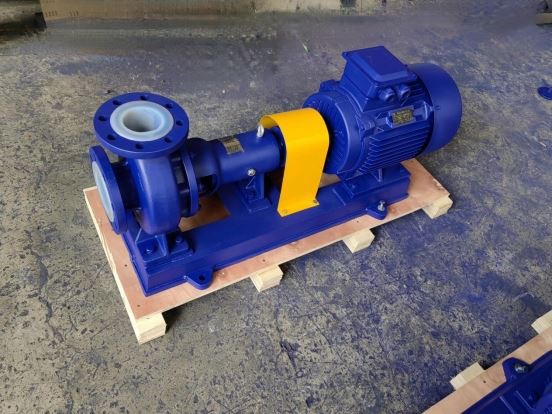
You can provide on - the - job training or send your employees to external training courses. By investing in training, you can improve the efficiency of your pumps and reduce the risk of costly breakdowns.
Conclusion
Optimizing the operation of a double suction pump involves a combination of proper installation, regular maintenance, adjusting operating conditions, troubleshooting, and training. By following these tips, you can ensure that your double suction pump runs smoothly, efficiently, and has a long service life.
If you're in the market for a high - quality double suction pump or need more advice on pump optimization, don't hesitate to reach out. I'd be more than happy to discuss your specific needs and help you find the right solution.
References
- Hydraulic Institute Standards for Centrifugal Pumps
- Pump Handbook by Karassik, McClain, Cooper, and Heald