

Hey there! As a supplier of Piping Centrifugal Pumps, I've seen firsthand how crucial it is to keep these pumps running at peak efficiency. Whether you're in the industrial sector, agriculture, or any other field that relies on fluid transfer, an efficient pump can save you time, money, and a whole lot of headaches. So, let's dive into some practical ways to improve the efficiency of a Piping Centrifugal Pump.
1. Proper Installation
The first step in ensuring a pump's efficiency is getting it installed correctly. A poorly installed pump can lead to all sorts of problems, like excessive vibration, cavitation, and reduced flow rates.
- Location: Choose a location that's level and well-ventilated. Make sure there's enough space around the pump for maintenance and inspection. Avoid placing the pump in areas prone to flooding or where it could be exposed to extreme temperatures.
- Alignment: Proper alignment of the pump and motor is crucial. Misalignment can cause increased wear and tear on the bearings and seals, leading to premature failure. Use laser alignment tools to ensure the pump and motor are perfectly aligned.
- Piping: The piping system should be designed to minimize friction losses. Use the correct pipe size and avoid sharp bends or elbows. Make sure the piping is properly supported to prevent vibration and stress on the pump.
2. Regular Maintenance
Just like any other piece of equipment, a Piping Centrifugal Pump needs regular maintenance to keep it running efficiently.
- Inspection: Conduct regular inspections of the pump and its components. Check for signs of wear, leaks, or damage. Inspect the impeller, bearings, seals, and gaskets for any signs of deterioration.
- Lubrication: Proper lubrication is essential for the smooth operation of the pump. Follow the manufacturer's recommendations for lubrication intervals and use the correct type of lubricant.
- Cleaning: Keep the pump and its surroundings clean. Remove any debris or dirt that could clog the intake or impeller. A clean pump will operate more efficiently and have a longer lifespan.
3. Optimize Pump Operation
The way you operate the pump can also have a significant impact on its efficiency.
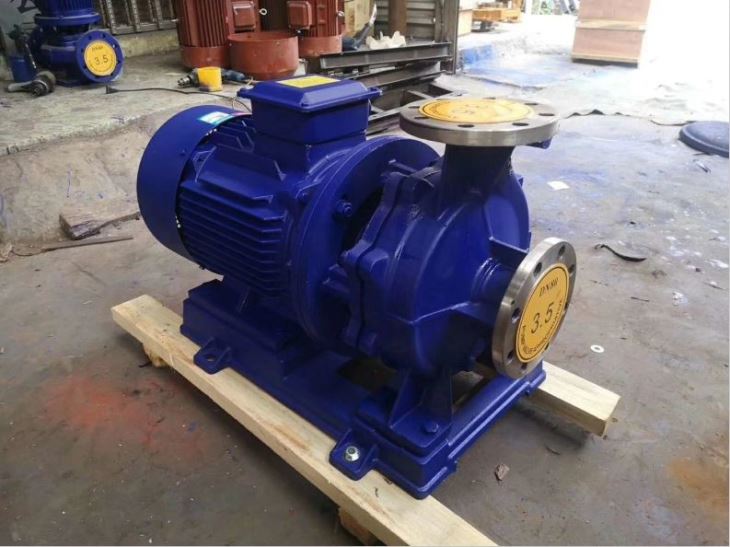

- Flow Rate and Pressure: Operate the pump at the recommended flow rate and pressure. Running the pump at a higher or lower flow rate than recommended can reduce its efficiency and increase energy consumption.
- Variable Speed Drives (VSDs): Consider using VSDs to control the speed of the pump. VSDs allow you to adjust the pump speed based on the actual demand, which can save energy and improve efficiency.
- System Balancing: Ensure that the entire piping system is balanced. This means that the flow rates and pressures are evenly distributed throughout the system. An unbalanced system can cause the pump to work harder than necessary, reducing its efficiency.
4. Upgrade Pump Components
Sometimes, upgrading certain components of the pump can significantly improve its efficiency.
- Impeller: The impeller is one of the most critical components of the pump. Upgrading to a high-efficiency impeller can increase the pump's flow rate and head, while reducing energy consumption.
- Seals and Bearings: High-quality seals and bearings can reduce friction and leakage, improving the pump's efficiency and reliability.
- Motor: Consider upgrading to a high-efficiency motor. A more efficient motor will consume less energy and generate less heat, which can extend the lifespan of the pump.
5. Monitor and Analyze Performance
Monitoring and analyzing the performance of the pump is essential for identifying any issues and making necessary adjustments.
- Flow Meters and Pressure Gauges: Install flow meters and pressure gauges to monitor the pump's performance. This will allow you to track the flow rate, pressure, and energy consumption of the pump.
- Data Logging and Analysis: Use data logging software to collect and analyze the performance data. This will help you identify any trends or patterns that could indicate a problem with the pump.
- Performance Testing: Conduct regular performance testing of the pump to ensure that it's operating at peak efficiency. This can help you identify any issues early on and take corrective action before they become major problems.
Our Piping Centrifugal Pump Offerings
At our company, we offer a wide range of Piping Centrifugal Pumps to meet the needs of various industries. Our pumps are designed to be highly efficient, reliable, and easy to maintain.
- Horizontal Single Suction Centrifugal Pump: This type of pump is ideal for applications where a high flow rate and low to medium head are required. It's commonly used in water supply, irrigation, and industrial processes.
- IHF Chemicals Centrifugal Pump: Our IHF Chemicals Centrifugal Pump is specifically designed for handling corrosive and hazardous chemicals. It's made from high-quality materials that are resistant to corrosion and wear.
- Single horizontal centrifugal pump: This pump is suitable for a wide range of applications, including water transfer, HVAC systems, and industrial processes. It's compact, easy to install, and offers high efficiency.
Conclusion
Improving the efficiency of a Piping Centrifugal Pump is essential for reducing energy consumption, increasing productivity, and extending the lifespan of the pump. By following the tips outlined in this blog post, you can ensure that your pump is operating at peak efficiency. If you're in the market for a new Piping Centrifugal Pump or need help improving the efficiency of your existing pump, don't hesitate to contact us. We're here to help you find the right solution for your needs.
References
- Pump Handbook, Karassik, I. J., Messina, J. P., Cooper, P. E., & Heald, C. C. (2008).
- Centrifugal Pumps: Design and Application, Stepanoff, A. J. (1957).
- Pump Systems Matter, Hydraulic Institute.