

Hey there! As a supplier of multistage fire pumps, I've seen firsthand how the number of stages can have a huge impact on a pump's performance. In this blog, I'll break down how different stage counts affect these pumps and why it matters for your fire protection needs.
Let's start with the basics. A multistage fire pump is designed to increase the pressure of the water it pumps. Each stage in the pump adds more pressure to the water as it moves through the system. Think of it like a relay race, where each runner (or stage) gives the baton (or water) a little extra boost.
Pressure and Flow
The most obvious way the number of stages affects a pump's performance is in terms of pressure. More stages generally mean higher pressure. When you have a single - stage pump, it can only generate a certain amount of pressure. But as you add more stages, the pressure builds up. For example, a 2 - stage pump will have more pressure than a single - stage pump, and a 5 - stage pump will have even more.
However, it's not just about pressure. The flow rate also plays a role. The flow rate is the amount of water that the pump can move in a given time. As you increase the number of stages, the flow rate might not always increase proportionally. In fact, sometimes adding more stages can actually decrease the flow rate if the pump isn't designed properly.
Efficiency
Efficiency is another important factor. A pump with the right number of stages can operate more efficiently. When a pump has too few stages, it might have to work harder to reach the required pressure, which can lead to higher energy consumption. On the other hand, if a pump has too many stages, it might be over - pressurizing the water, which can also waste energy.
Let's say you're using a fire pump in a large building. If you choose a pump with too few stages, it might not be able to provide enough pressure to reach the upper floors. But if you choose a pump with too many stages, it could be using more energy than necessary, driving up your operating costs.
Types of Multistage Fire Pumps
There are different types of multistage fire pumps, and the number of stages can affect each type differently.
Vertical Multistage Stage Fire Pump
Vertical Multistage Stage Fire Pump are great for applications where space is limited. They're often used in buildings where the pump needs to be installed in a narrow area. The number of stages in a vertical multistage pump can determine how well it can handle the vertical lift of the water. More stages can help the pump overcome the height difference and provide adequate pressure at the top floors.
Horizontal Multistage Stage Fire Pump
Horizontal Multistage Stage Fire Pump are commonly used in industrial settings. They're designed to handle large volumes of water and can be configured with different numbers of stages. The number of stages in a horizontal pump can affect its ability to maintain a consistent flow rate and pressure over a long distance.

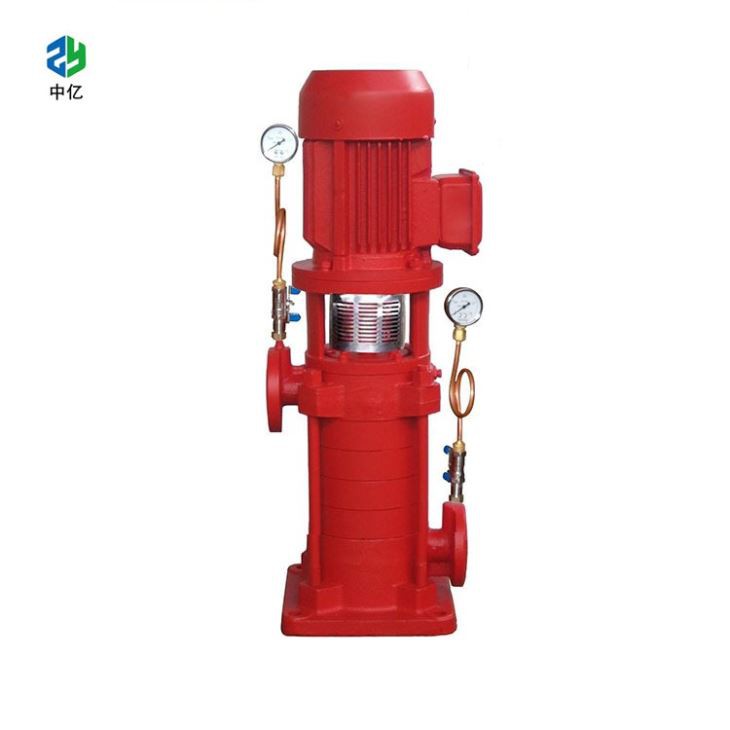
Stainless Steel Multistage Fire Pump
Stainless Steel Multistage Fire Pump are known for their durability and resistance to corrosion. The number of stages in a stainless - steel pump can impact its performance in harsh environments. More stages can provide the necessary pressure to push water through long pipes or to reach high - rise structures, even in corrosive conditions.
Choosing the Right Number of Stages
So, how do you choose the right number of stages for your multistage fire pump? It depends on several factors.
First, consider the height of the building or the distance the water needs to travel. If you're dealing with a tall building, you'll likely need a pump with more stages to provide enough pressure to reach the upper floors.
Second, think about the flow rate requirements. If you need to move a large volume of water quickly, you'll need a pump that can handle that flow. Sometimes, a pump with fewer stages but a larger impeller can provide a higher flow rate.
Finally, consider your budget. Pumps with more stages tend to be more expensive, both in terms of the initial purchase price and the operating costs. You'll need to find a balance between performance and cost.
Conclusion
In conclusion, the number of stages in a multistage fire pump has a significant impact on its performance. It affects the pressure, flow rate, and efficiency of the pump. Whether you're using a Vertical Multistage Stage Fire Pump, a Horizontal Multistage Stage Fire Pump, or a Stainless Steel Multistage Fire Pump, choosing the right number of stages is crucial for optimal performance.
If you're in the market for a multistage fire pump, we're here to help. We can work with you to determine the best number of stages for your specific needs. Whether it's a small building or a large industrial complex, we have the expertise to provide you with the right pump. Contact us to start the conversation about your fire protection requirements.
References
- "Fire Pump Handbook", by the National Fire Protection Association
- "Pump Engineering", various industry publications