

Troubleshooting a centrifugal pump can be a bit of a headache, but don't worry, I'm here to help. As a centrifugal pump supplier, I've seen my fair share of pump problems, and I'm going to share some tips and tricks with you on how to diagnose and fix common issues.
Understanding the Basics of Centrifugal Pumps
Before we jump into troubleshooting, let's quickly go over how a centrifugal pump works. These pumps use an impeller, which rotates at high speed, to transfer energy to the fluid. The impeller spins the liquid, forcing it outwards through the volute casing and into the discharge pipe. This creates a pressure difference that allows the pump to move the fluid from the suction side to the discharge side.
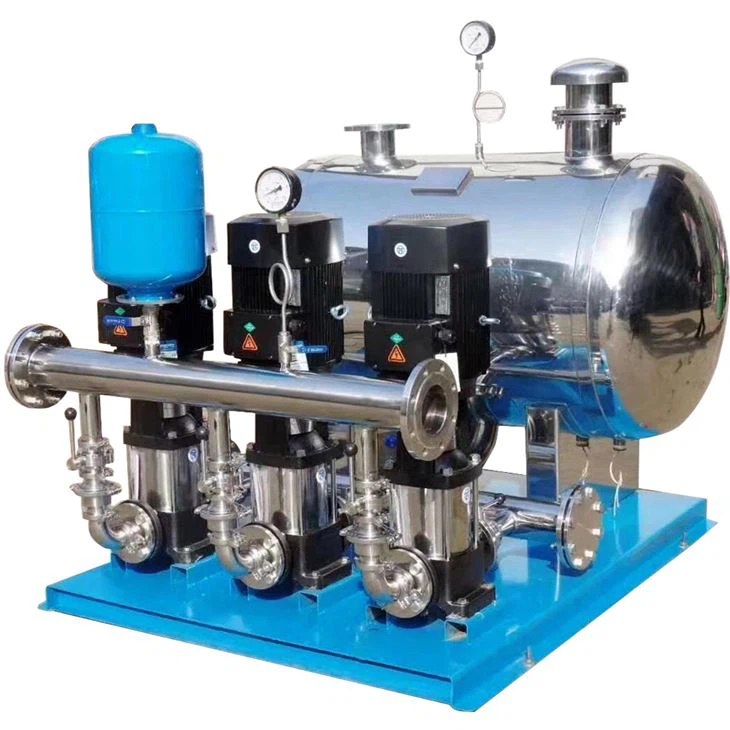
Some common types of centrifugal pumps we supply include the Booster Pump Set, Horizontal Centrifugal Multistage Pump, and Air Powered Centrifugal Pump. Each type has its own unique features and applications, but the basic troubleshooting principles apply to all of them.
Common Centrifugal Pump Problems and Solutions
1. Low Flow or No Flow
One of the most common issues is when the pump isn't delivering the expected amount of fluid or no fluid at all. Here are some possible causes and solutions:
-
Clogged Suction Line: Debris or sediment can block the suction line, preventing the pump from drawing in fluid. Check the suction strainer and clean or replace it if necessary. Also, inspect the suction pipe for any blockages.
- Solution: Remove the blockage by flushing the line or manually cleaning the strainer.
-
Air Leak in the Suction Line: Air entering the suction line can cause cavitation and disrupt the pump's performance. Look for loose connections, cracked pipes, or damaged gaskets.
- Solution: Tighten the connections, repair or replace the damaged pipes or gaskets.
-
Worn Impeller: Over time, the impeller can wear out, reducing its ability to transfer energy to the fluid. This can result in decreased flow.

- Solution: Replace the worn impeller with a new one. Make sure to choose the correct size and type for your pump.
2. High Power Consumption
If your pump is using more power than usual, it could be due to several reasons:
-
Misaligned Pump and Motor: When the pump and motor are not properly aligned, it can cause excessive vibration and increased power consumption.
- Solution: Use alignment tools to ensure that the pump and motor are perfectly aligned. This may require some technical skills, so if you're not confident, it's best to call in a professional.
-
Excessive System Head: The system head is the total resistance that the pump has to overcome to move the fluid. If the system head is too high, the pump will have to work harder, consuming more power.
- Solution: Check the system for any restrictions or blockages in the discharge line. You may also need to adjust the pump speed or impeller diameter to match the system requirements.
-
Worn Bearings: Worn bearings can cause increased friction and heat, leading to higher power consumption.
- Solution: Replace the worn bearings with new ones. Regular maintenance and lubrication can help prevent bearing wear.
3. Excessive Noise and Vibration
Unusual noise and vibration can be a sign of a serious problem in the pump. Here's what you can do:
-
Cavitation: Cavitation occurs when the pressure in the pump drops below the vapor pressure of the fluid, causing bubbles to form and collapse. This can result in loud noise and damage to the impeller.
- Solution: Check the suction pressure and make sure it's within the recommended range. You may need to increase the suction head or reduce the pump speed to prevent cavitation.
-
Loose Parts: Loose bolts, nuts, or other parts can cause vibration and noise. Check all the connections and tighten them if necessary.
- Solution: Inspect the pump for any loose parts and tighten or replace them as needed.
-
Imbalanced Impeller: An imbalanced impeller can cause the pump to vibrate excessively. This can be due to wear, damage, or improper installation.
- Solution: Balance the impeller or replace it if it's damaged. This is a job that usually requires specialized equipment and expertise.
4. Leakage
Leakage can occur at various points in the pump, such as the seals, gaskets, or connections. Here's how to address it:
-
Worn Seals: The seals are designed to prevent fluid from leaking out of the pump. Over time, they can wear out, causing leakage.
- Solution: Replace the worn seals with new ones. Make sure to choose the correct type of seal for your pump.
-
Damaged Gaskets: Gaskets are used to create a tight seal between different parts of the pump. If they're damaged, fluid can leak through.
- Solution: Replace the damaged gaskets with new ones. Ensure that they're properly installed and tightened.
-
Loose Connections: Loose pipe connections can also lead to leakage. Check all the connections and tighten them if necessary.
- Solution: Inspect the connections and use a wrench to tighten them. If the leakage persists, you may need to replace the fittings.
Preventive Maintenance
Preventive maintenance is key to keeping your centrifugal pump in good working condition. Here are some tips:
- Regular Inspections: Check the pump regularly for signs of wear, damage, or leaks. Look at the impeller, bearings, seals, and connections.
- Lubrication: Make sure to lubricate the bearings and other moving parts as recommended by the manufacturer. This can help reduce friction and extend the life of the pump.
- Cleaning: Keep the pump and its surroundings clean. Remove any debris or sediment that may accumulate on the pump or in the suction and discharge lines.
- Documentation: Keep a record of all maintenance activities, including inspections, repairs, and replacements. This can help you track the pump's performance over time and identify any recurring issues.
Conclusion
Troubleshooting a centrifugal pump may seem daunting, but by understanding the common problems and their solutions, you can keep your pump running smoothly. Remember, if you're ever unsure about how to handle a problem, it's always a good idea to consult with a professional.
As a centrifugal pump supplier, we're here to provide you with high-quality pumps and the support you need. If you're in the market for a new pump or need help with troubleshooting your existing one, don't hesitate to contact us for a discussion. We'll work with you to find the best solution for your needs.
References
- CENTRIFUGAL PUMP HANDBOOK, by Igor J. Karassik, Joseph P. Messina, Paul Cooper, Charles C. Heald
- PUMP HANDBOOK, by Igor J. Karassik, Joseph P. Messina, Paul Cooper, Charles C. Heald