

Hey there! As a supplier of submersible sewage pumps, I often get asked a bunch of questions about what these pumps can and can't do. One question that pops up quite a bit is, "Can a submersible sewage pump be used for pumping rainwater?" Well, let's dive right into it and find out.
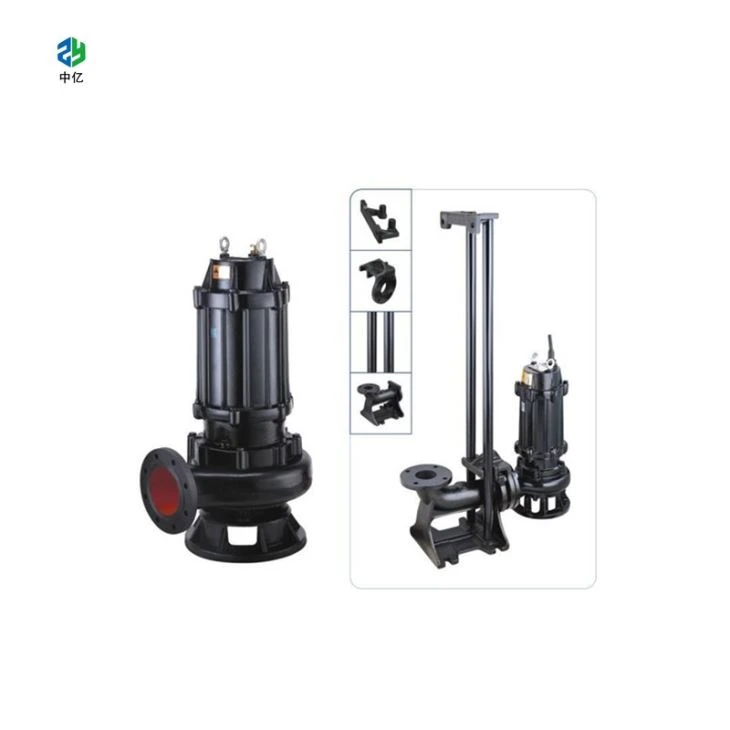
First off, let's understand what a submersible sewage pump is. These pumps are designed to handle wastewater, sewage, and other fluids that might contain solids and debris. They're built tough, with features like strong impellers and durable casings to deal with the rough stuff. For example, our Submersible Sewage Cutter Pump is equipped with a cutting mechanism that can break down large solids, making it easier to pump the sewage. And our Cast Iron Submersible Sewage Pump is made of high - quality cast iron, which provides excellent corrosion resistance and durability.
Now, onto the rainwater. Rainwater, in general, is relatively clean compared to sewage. It doesn't usually contain a high amount of solids or contaminants. But it can pick up debris like leaves, twigs, and dirt as it runs off roofs, driveways, and other surfaces. So, can a submersible sewage pump handle rainwater? The short answer is yes, it can.
One of the main advantages of using a submersible sewage pump for rainwater is its power. These pumps are designed to move large volumes of fluid quickly. If you have a large area to drain, like a basement that's flooded with rainwater or a large pond that needs to be emptied after heavy rainfall, a submersible sewage pump can get the job done efficiently. The strong impellers in these pumps can create enough suction to draw in the rainwater and push it out through the discharge pipe.
Another benefit is the durability. Since submersible sewage pumps are built to withstand the harsh conditions of sewage pumping, they can also handle the occasional debris that might be in the rainwater. The pump's casing and components are made of robust materials that can resist wear and tear from the particles in the water. For instance, the cast iron casing in our pumps can stand up to the abrasive effects of dirt and sand that might be in the rainwater.

However, there are also some things to consider. One potential issue is overkill. If you only have a small amount of rainwater to pump, like a little puddle in your backyard, a submersible sewage pump might be too powerful. It could use more energy than necessary and might even cause damage to the surrounding area if the water is pumped out too forcefully. In such cases, a smaller, more specialized rainwater pump might be a better choice.
Maintenance is another factor. While submersible sewage pumps are designed to be low - maintenance, the presence of debris in the rainwater can still cause problems. The cutting mechanism in the cutter pump, for example, might get clogged with large pieces of debris if not properly maintained. You'll need to regularly check the pump for any blockages and clean the intake screen to ensure smooth operation.
Also, the cost. Submersible sewage pumps are generally more expensive than regular rainwater pumps. If you only need to pump rainwater occasionally and don't have a large - scale drainage problem, investing in a sewage pump might not be the most cost - effective option. But if you have a property that is prone to flooding or you need a reliable pump for various fluid - handling tasks, a submersible sewage pump can be a great long - term investment.
In terms of installation, submersible sewage pumps are relatively easy to install. They can be placed directly in the water source, whether it's a flooded basement, a sump pit, or a pond. You just need to make sure the pump is properly secured and the discharge pipe is connected correctly. The submersible design also means that the pump is less likely to be damaged by external factors like weather or physical impact.
When it comes to performance, submersible sewage pumps are known for their reliability. They can operate continuously for long periods without overheating or breaking down. This is especially important when dealing with heavy rainfall, where you might need to pump water for hours on end. The pumps are also designed to handle a wide range of flow rates and heads, so you can adjust the pumping capacity according to your needs.
Now, let's talk about the different types of submersible sewage pumps and how they can be used for rainwater. The cutter pump, as mentioned earlier, is great for handling larger debris. If your rainwater has a lot of leaves and twigs in it, the cutter pump can cut them up into smaller pieces and pump them out. The cast iron pump, on the other hand, is more focused on durability and corrosion resistance. It's a good choice if your rainwater has a high mineral content or if it's in a corrosive environment.
In conclusion, a submersible sewage pump can definitely be used for pumping rainwater. It offers power, durability, and reliability, which are important when dealing with large volumes of water or debris - filled rainwater. However, you need to consider factors like the amount of water to be pumped, maintenance requirements, and cost before making a decision.
If you're thinking about using a submersible sewage pump for your rainwater pumping needs, I'd love to help. Whether you have questions about the different models, installation, or maintenance, feel free to reach out. We can discuss your specific situation and find the best pump for you. Contact us to start a conversation about your pumping requirements, and let's find the perfect solution together.
References
- General knowledge in the field of pump technology and fluid handling.
- Manufacturer's specifications and guidelines for submersible sewage pumps.