

Can a Multistage Fire Pump Work in Cold Weather?
As a supplier of multistage fire pumps, I often receive inquiries from customers about the performance of these pumps in cold weather conditions. It's a crucial question, especially for regions that experience harsh winters, as reliable fire protection is essential year - round. In this blog, I'll delve into the factors that affect a multistage fire pump's operation in cold weather and share some insights on how to ensure its proper functioning.
Understanding Multistage Fire Pumps
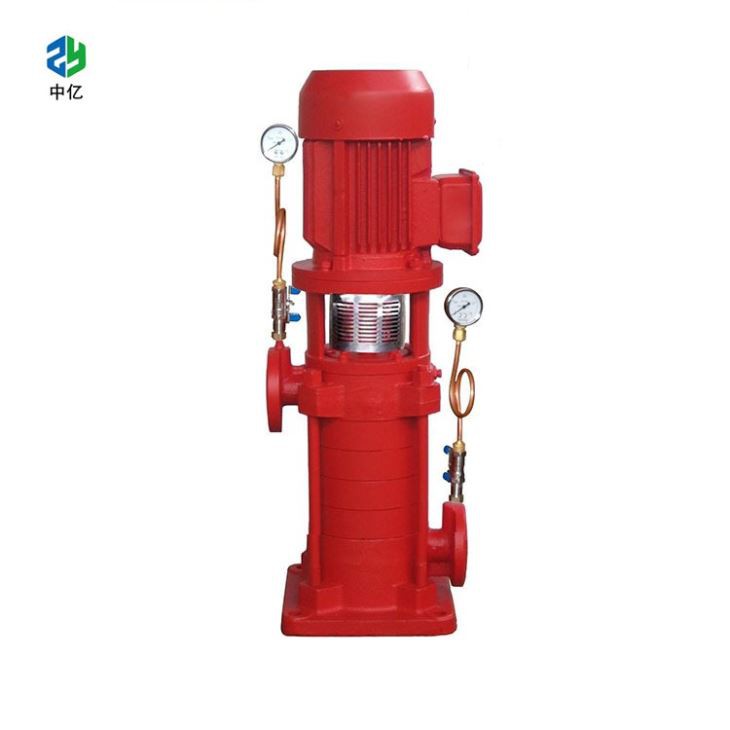
Before we discuss the impact of cold weather, let's briefly understand what a multistage fire pump is. A multistage fire pump consists of multiple impellers arranged in series. Each impeller adds pressure to the water, allowing the pump to generate high - pressure water flow, which is vital for effective fire suppression. There are different types of multistage fire pumps, such as Horizontal Multistage Stage Fire Pump, Vertical Multistage Stage Fire Pump, and Stainless Steel Multistage Fire Pump. These pumps are designed to meet various installation and performance requirements.
Challenges Posed by Cold Weather
Cold weather presents several challenges to the operation of multistage fire pumps. One of the most significant issues is the freezing of water within the pump and its associated piping. When water freezes, it expands, which can cause damage to the pump casing, impellers, and pipes. This expansion can lead to cracks and leaks, rendering the pump inoperable.
Another challenge is the increased viscosity of water in cold temperatures. As the temperature drops, water becomes more viscous, which means the pump has to work harder to move the water. This increased workload can put additional stress on the pump motor and other components, potentially leading to premature wear and failure.
Cold weather can also affect the electrical components of the pump. Low temperatures can cause the insulation on wires to become brittle, increasing the risk of short circuits. Battery - powered backup systems, if used, may also experience reduced performance in cold weather, as the chemical reactions within the batteries slow down.
Factors Affecting Pump Performance in Cold Weather
- Material Selection: The materials used in the construction of the pump play a crucial role in its cold - weather performance. For example, stainless steel is a popular choice for multistage fire pumps, as it is more resistant to corrosion and freezing damage compared to other materials. Our Stainless Steel Multistage Fire Pump is designed to withstand harsh environmental conditions, including cold weather.
- Insulation and Heating: Proper insulation of the pump and its piping can help prevent freezing. Insulation materials can reduce heat loss, keeping the water inside the pump and pipes above the freezing point. In some cases, external heating systems may be required, especially in extremely cold climates. These heating systems can be electric or steam - based and are used to maintain the temperature of the pump and its components.
- Maintenance and Monitoring: Regular maintenance is essential for ensuring the proper operation of multistage fire pumps in cold weather. This includes checking the pump for leaks, inspecting the electrical components, and lubricating moving parts. Monitoring systems can also be installed to detect any changes in the pump's performance, such as increased motor current or reduced water flow. Early detection of problems allows for timely repairs, minimizing the risk of pump failure.
Ensuring Proper Operation in Cold Weather
- Pre - Winter Preparation: Before the onset of cold weather, it's important to perform a thorough inspection of the pump and its associated systems. This includes draining any water from the pump and pipes that may be at risk of freezing. If the pump is not in use during the winter, it should be properly stored in a heated environment.
- Use of Antifreeze: In some cases, antifreeze can be added to the water in the pump and piping system to lower the freezing point. However, it's important to use antifreeze that is compatible with the pump materials and does not affect the water quality.
- Regular Testing: Regular testing of the multistage fire pump is crucial, especially in cold weather. This helps to ensure that the pump is functioning properly and can provide the required water flow and pressure in the event of a fire. Testing should be carried out in accordance with relevant standards and regulations.
Conclusion
In conclusion, while cold weather poses significant challenges to the operation of multistage fire pumps, with proper design, installation, maintenance, and monitoring, these pumps can work effectively in cold climates. As a supplier of multistage fire pumps, we offer a range of products designed to meet the specific needs of customers in cold - weather regions. Our Horizontal Multistage Stage Fire Pump, Vertical Multistage Stage Fire Pump, and Stainless Steel Multistage Fire Pump are built to withstand the rigors of cold weather and provide reliable fire protection.

If you are looking for a high - quality multistage fire pump for your cold - weather application, we invite you to contact us for more information and to discuss your specific requirements. Our team of experts is ready to assist you in selecting the right pump and ensuring its proper installation and operation.
References
- NFPA 20: Standard for the Installation of Stationary Pumps for Fire Protection
- ASME B73.1: Specification for Horizontal End Suction Centrifugal Pumps for Chemical Process
- Pumps and Pumping Systems - A Guide to Good Practice, Institution of Chemical Engineers