

As a supplier of Single Fire Pumps, I understand the critical importance of ensuring that each pump meets the highest standards during the acceptance process. In this blog post, I will share the key inspection items for a single fire pump during acceptance, providing you with a comprehensive guide to guaranteeing the quality and reliability of these essential fire protection devices.
Visual Inspection
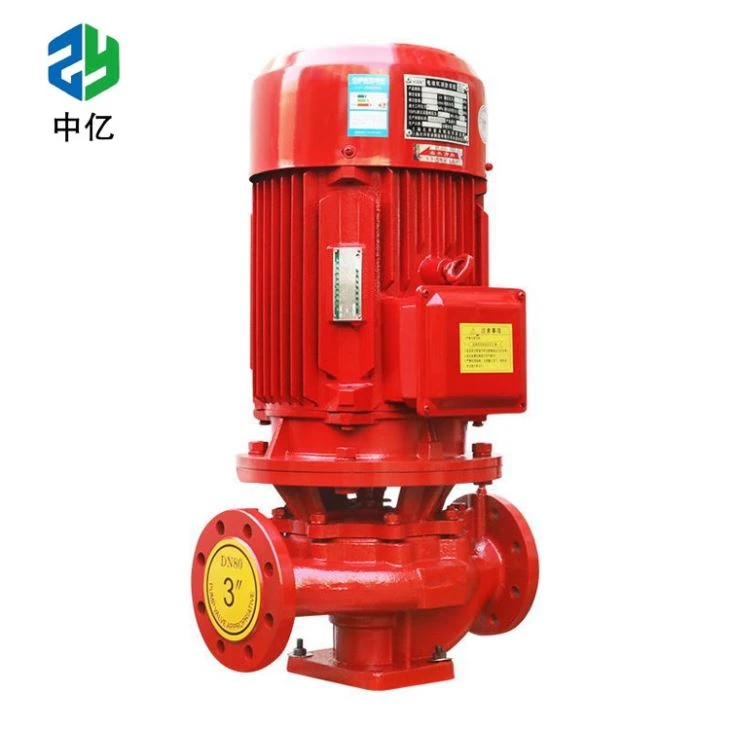
The first step in the acceptance process is a thorough visual inspection of the single fire pump. This involves examining the pump's exterior for any signs of damage, such as dents, scratches, or corrosion. Pay close attention to the pump casing, impeller, and motor housing, as these components are crucial for the pump's performance.
- Pump Casing: Check the pump casing for any cracks or leaks. Ensure that the casing is properly sealed and that all bolts and connections are tightened securely.
- Impeller: Inspect the impeller for any signs of wear or damage. The impeller should be free of debris and have no visible cracks or chips.
- Motor Housing: Examine the motor housing for any signs of overheating or damage. Check the motor's ventilation openings to ensure that they are clear and unobstructed.
Performance Testing
Once the visual inspection is complete, the next step is to conduct performance testing on the single fire pump. This involves running the pump under various conditions to ensure that it meets the specified performance requirements.

- Flow and Pressure Testing: Use a flow meter and pressure gauge to measure the pump's flow rate and pressure at different operating points. Compare the measured values with the pump's performance curve to ensure that it is operating within the specified range.
- Efficiency Testing: Calculate the pump's efficiency by dividing the power output by the power input. A high-efficiency pump will consume less energy and provide better performance.
- Run Time Testing: Run the pump continuously for a specified period of time to ensure that it can operate reliably under normal conditions. Monitor the pump's temperature, vibration, and noise levels during the run time test.
Electrical Inspection
In addition to the visual and performance testing, it is also important to conduct an electrical inspection of the single fire pump. This involves checking the electrical connections, wiring, and controls to ensure that they are safe and functioning properly.
- Electrical Connections: Check the electrical connections to the pump motor to ensure that they are tight and secure. Look for any signs of corrosion or damage to the connections.
- Wiring: Inspect the wiring for any signs of wear or damage. Ensure that the wiring is properly insulated and that there are no exposed wires.
- Controls: Test the pump's controls to ensure that they are functioning properly. Check the start/stop buttons, pressure switches, and other control devices to ensure that they are working as intended.
Safety Features
Single fire pumps are equipped with a variety of safety features to protect against overheating, overloading, and other potential hazards. During the acceptance process, it is important to test these safety features to ensure that they are functioning properly.
- Overheat Protection: Check the pump's overheat protection device to ensure that it will shut off the pump if the motor temperature exceeds a safe level.
- Overload Protection: Test the pump's overload protection device to ensure that it will trip if the pump draws too much current.
- Pressure Relief Valve: Inspect the pump's pressure relief valve to ensure that it will open if the pressure in the pump exceeds a safe level.
Documentation
Finally, it is important to review the documentation provided with the single fire pump. This includes the pump's installation manual, operation manual, and maintenance manual. Ensure that all of the documentation is complete and up-to-date, and that it provides clear instructions for installing, operating, and maintaining the pump.
- Installation Manual: Review the installation manual to ensure that the pump has been installed correctly. Check that the pump is properly aligned, that the piping is correctly sized and installed, and that all of the necessary connections have been made.
- Operation Manual: Read the operation manual to familiarize yourself with the pump's controls and operating procedures. Ensure that you understand how to start and stop the pump, how to adjust the pressure and flow rate, and how to troubleshoot any problems that may arise.
- Maintenance Manual: Review the maintenance manual to understand the recommended maintenance schedule for the pump. Ensure that you have the necessary tools and supplies to perform the required maintenance tasks, and that you understand how to perform these tasks safely and effectively.
In conclusion, the acceptance process for a single fire pump is a critical step in ensuring the safety and reliability of these essential fire protection devices. By conducting a thorough visual inspection, performance testing, electrical inspection, and safety feature testing, and by reviewing the documentation provided with the pump, you can ensure that the pump meets the highest standards of quality and performance.
If you are in the market for a Single Fire Pump, I encourage you to visit our website at Single Fire Pumps to learn more about our products and services. We offer a wide range of Single Stage Fire Pump and Diesel Driven Fire Pump to meet your specific needs and requirements. Our team of experts is available to answer any questions you may have and to help you select the right pump for your application. Contact us today to start the conversation!
References
- NFPA 20: Standard for the Installation of Stationary Pumps for Fire Protection
- UL 448: Standard for Fire Pumps
- FM Global Data Sheet 2-12: Fire Pumps