

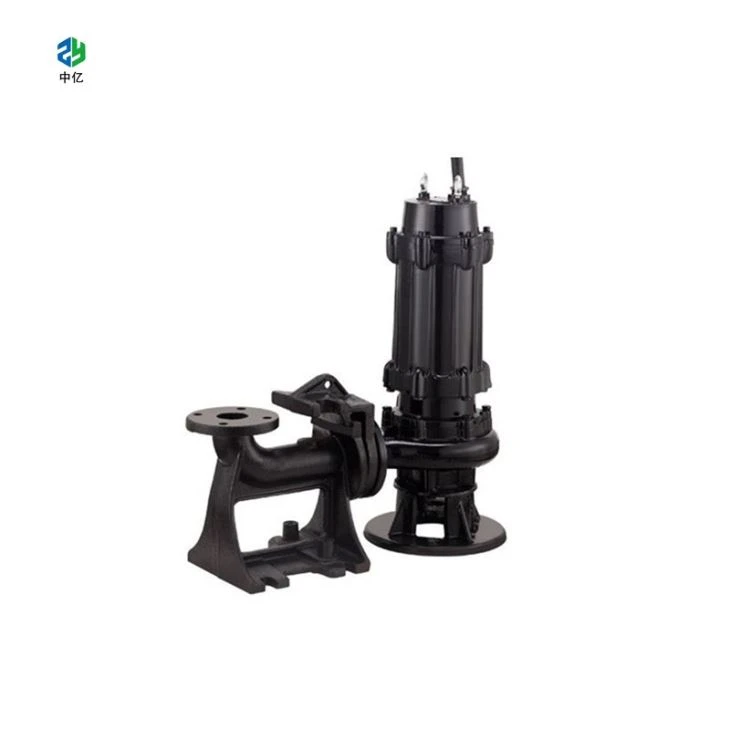
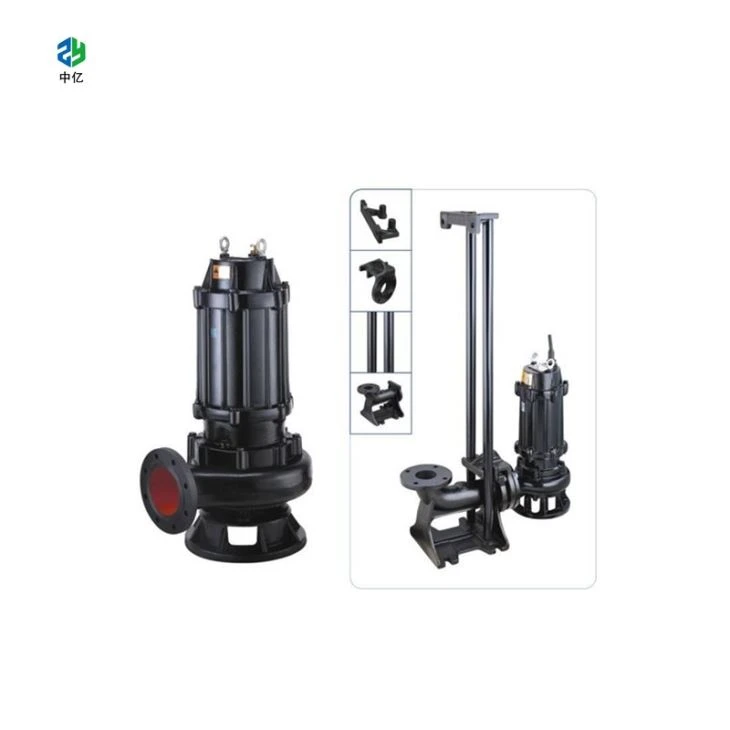
Submersible sand pumps are essential equipment in various industries, including mining, construction, and wastewater treatment. As a supplier of submersible sand pumps, I understand the importance of proper maintenance to ensure the longevity and efficiency of these pumps. In this blog post, I will discuss the common maintenance tasks for a submersible sand pump.
Regular Inspection
Regular inspection is the first and most crucial step in maintaining a submersible sand pump. It helps in identifying potential issues before they escalate into major problems. Here are some key aspects to check during an inspection:
Visual Inspection
- Casing and Housing: Check the pump casing and housing for any signs of damage, such as cracks, dents, or corrosion. A damaged casing can lead to water leakage and affect the pump's performance.
- Impeller: Inspect the impeller for wear and tear. The impeller is responsible for creating the flow of water and sand, and any damage to it can reduce the pump's efficiency. Look for signs of erosion, chipping, or imbalance.
- Seals and Gaskets: Examine the seals and gaskets for leaks. Leaking seals can allow water to enter the motor, causing electrical problems and potentially damaging the pump. Replace any worn or damaged seals and gaskets immediately.
- Cable and Connections: Check the power cable for any signs of damage, such as cuts, abrasions, or fraying. Ensure that all electrical connections are tight and secure. Loose connections can lead to electrical arcing and pose a safety hazard.
Performance Inspection
- Flow Rate and Pressure: Monitor the flow rate and pressure of the pump. A significant decrease in flow rate or pressure may indicate a problem with the pump, such as a clogged impeller or a worn-out motor. Use a flow meter and pressure gauge to measure these parameters regularly.
- Motor Temperature: Check the motor temperature during operation. Overheating can be a sign of a problem with the motor, such as a faulty bearing or a blocked cooling system. Use an infrared thermometer to measure the motor temperature.
Cleaning and Lubrication
Cleaning and lubrication are essential for maintaining the performance and longevity of a submersible sand pump. Here are some cleaning and lubrication tasks to perform:
Cleaning
- Impeller and Volute: Remove the impeller and volute periodically and clean them thoroughly to remove any sand, debris, or sediment that may have accumulated. Use a soft brush and a mild detergent to clean these components.
- Strainer: Clean the strainer regularly to prevent clogging. A clogged strainer can reduce the flow rate of the pump and cause it to overheat. Remove the strainer and wash it with water to remove any debris.
- Motor Cooling System: Clean the motor cooling system to ensure proper heat dissipation. A dirty cooling system can cause the motor to overheat and reduce its lifespan. Use a compressed air gun to blow out any dust or debris from the cooling fins.
Lubrication
- Bearings: Lubricate the bearings regularly to reduce friction and wear. Use a high-quality lubricant recommended by the pump manufacturer. Follow the manufacturer's instructions for the frequency and amount of lubrication.
- Shaft Seals: Apply a thin layer of lubricant to the shaft seals to prevent them from drying out and leaking. Use a lubricant that is compatible with the pump's seals and gaskets.
Maintenance of Electrical Components
The electrical components of a submersible sand pump are critical for its operation. Here are some maintenance tasks for the electrical components:
Motor
- Insulation Resistance: Measure the insulation resistance of the motor regularly to ensure that it is within the acceptable range. A low insulation resistance can indicate a problem with the motor, such as a short circuit or a damaged winding. Use a megohmmeter to measure the insulation resistance.
- Overload Protection: Check the overload protection device regularly to ensure that it is functioning properly. The overload protection device is designed to protect the motor from overheating and damage. If the overload protection device trips, identify and correct the cause of the overload before resetting it.
- Electrical Connections: Check the electrical connections regularly to ensure that they are tight and secure. Loose connections can lead to electrical arcing and pose a safety hazard. Use a torque wrench to tighten the electrical connections to the recommended torque.
Control Panel
- Circuit Breakers and Fuses: Check the circuit breakers and fuses in the control panel regularly to ensure that they are functioning properly. Replace any blown fuses or tripped circuit breakers immediately.
- Relays and Contactors: Inspect the relays and contactors in the control panel for signs of wear and damage. Replace any worn or damaged relays and contactors to ensure reliable operation.
- Control Wiring: Check the control wiring in the control panel for any signs of damage, such as cuts, abrasions, or fraying. Repair or replace any damaged wiring to prevent electrical problems.
Preventive Maintenance Schedule
To ensure the proper maintenance of a submersible sand pump, it is recommended to establish a preventive maintenance schedule. A preventive maintenance schedule helps in planning and organizing maintenance tasks, reducing downtime, and extending the lifespan of the pump. Here is a sample preventive maintenance schedule for a submersible sand pump:
| Maintenance Task | Frequency |
|---|---|
| Visual Inspection | Weekly |
| Performance Inspection | Monthly |
| Cleaning of Impeller and Volute | Quarterly |
| Cleaning of Strainer | Weekly |
| Cleaning of Motor Cooling System | Annually |
| Lubrication of Bearings | Annually |
| Lubrication of Shaft Seals | Annually |
| Measurement of Insulation Resistance | Annually |
| Check of Overload Protection Device | Annually |
| Check of Electrical Connections | Annually |
| Inspection of Circuit Breakers and Fuses | Annually |
| Inspection of Relays and Contactors | Annually |
| Check of Control Wiring | Annually |
Conclusion
Proper maintenance is essential for the reliable operation and longevity of a submersible sand pump. By performing regular inspections, cleaning, lubrication, and maintenance of electrical components, you can ensure that your pump operates efficiently and effectively. If you have any questions or need further assistance with the maintenance of your submersible sand pump, please feel free to contact us. We are a leading supplier of submersible sand pumps and offer a wide range of products, including Cast Iron Submersible Sewage Pump and Submersible Sewage Cutter Pump. Our team of experts is always ready to provide you with the best solutions for your pumping needs.
References
- Manufacturer's manual for the submersible sand pump
- Industry standards and guidelines for pump maintenance