

As a supplier of submersible aerators, I've encountered numerous customers facing the common issue of clogging in these essential pieces of equipment. Submersible aerators play a crucial role in wastewater treatment, aquaculture, and other applications by introducing oxygen into the water, promoting the growth of beneficial bacteria, and maintaining a healthy aquatic environment. However, clogging can significantly reduce their efficiency and lifespan. In this blog, I'll share some effective strategies on how to prevent clogging in a submersible aerator.
Understanding the Causes of Clogging
Before we delve into prevention methods, it's important to understand what causes clogging in submersible aerators. There are several factors that can contribute to this problem:
- Debris and Sediments: In wastewater treatment plants or natural water bodies, debris such as leaves, twigs, plastic, and sediment can accumulate in the aerator. These materials can block the intake or the outlet of the aerator, reducing the flow of water and air.
- Biological Growth: Algae, bacteria, and other microorganisms can grow on the internal and external surfaces of the aerator. Over time, this biological growth can form a thick layer that restricts the movement of water and air.
- Chemical Precipitates: In some cases, chemical reactions in the water can lead to the formation of precipitates. These precipitates can settle in the aerator and cause clogging.
Preventive Measures
1. Proper Installation
- Location Selection: When installing a submersible aerator, choose a location that is relatively free from debris. Avoid areas near the shore where leaves and other debris are likely to accumulate, or close to sources of sediment. If possible, install the aerator in a well - screened area to prevent large debris from entering.
- Height and Angle: Ensure that the aerator is installed at the correct height and angle. A proper installation will help to prevent sediment from settling directly onto the aerator and ensure a smooth flow of water.
2. Regular Maintenance
- Inspection: Conduct regular inspections of the submersible aerator. Check for any signs of debris accumulation, biological growth, or damage. Inspect the intake and outlet ports, as well as the impeller and other internal components.
- Cleaning: Clean the aerator regularly to remove any debris or biological growth. Use a soft brush or a pressure washer to gently clean the external surfaces of the aerator. For the internal components, follow the manufacturer's instructions for disassembly and cleaning. In some cases, you may need to use a cleaning solution to remove stubborn stains or deposits.
- Lubrication: If the aerator has moving parts, such as bearings or shafts, lubricate them regularly to ensure smooth operation. Proper lubrication will also help to prevent corrosion and reduce the risk of clogging caused by mechanical failures.
3. Use of Pre - Filters
- External Pre - filters: Install external pre - filters on the intake of the submersible aerator. These filters can trap large debris before it enters the aerator, reducing the risk of clogging. There are various types of pre - filters available, including mesh filters, cartridge filters, and sediment filters. Choose a filter that is appropriate for the size and type of debris in your water.
- Self - Cleaning Pre - filters: Consider using self - cleaning pre - filters. These filters can automatically clean themselves, reducing the need for manual maintenance. Self - cleaning pre - filters are particularly useful in applications where there is a high volume of debris.
4. Water Quality Management
- Filtration System: Implement a comprehensive water filtration system for the entire water body. A good filtration system can remove a significant amount of debris, sediment, and biological matter from the water before it reaches the aerator. This can include sand filters, activated carbon filters, or membrane filters.
- Chemical Treatment: Use chemical treatments to control the growth of algae and bacteria in the water. However, be careful when using chemicals, as they can have negative impacts on the environment and the beneficial bacteria in the water. Consult with a water treatment professional to determine the appropriate chemicals and dosages.
- pH and Temperature Control: Maintain the proper pH and temperature of the water. Extreme pH levels or temperatures can cause chemical precipitates to form or promote excessive biological growth. Regularly monitor the water quality and make adjustments as needed.
5. Choosing the Right Aerator
- Suitable Design: Select a submersible aerator with a design that is less prone to clogging. For example, some aerators have a larger intake opening or a self - cleaning mechanism that can help to prevent debris from accumulating. Consider the specific requirements of your application, such as the size of the water body, the type of debris present, and the desired oxygenation level.
- High - Quality Materials: Choose an aerator made from high - quality materials that are resistant to corrosion and biological growth. Stainless steel, for example, is a popular choice for submersible aerators as it is durable and resistant to rust.
Types of Submersible Aerators and Their Clogging Prevention
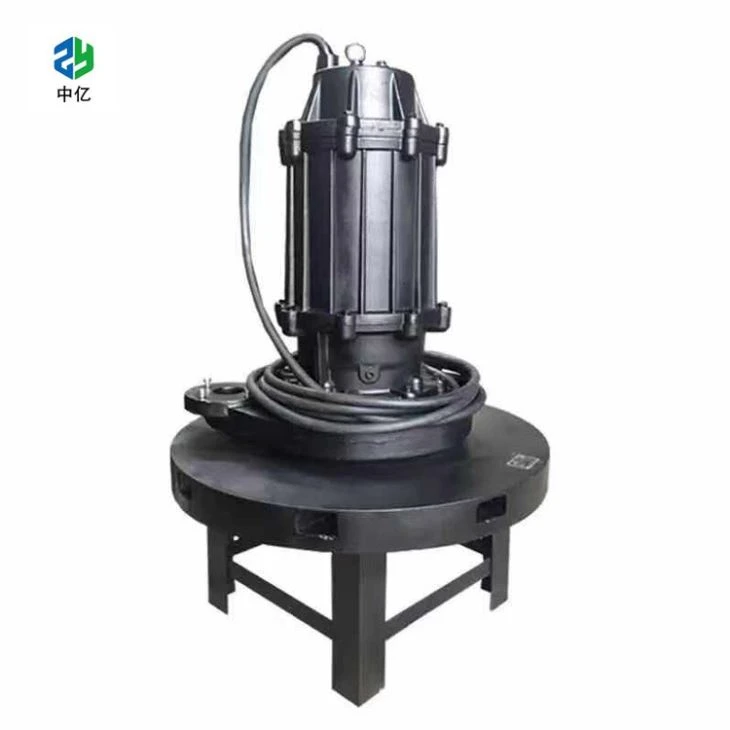
- Submersible Aerator for Wastewater Treatment: The Submersible Aerator for Wastewater Treatment is designed specifically for the demanding conditions of wastewater treatment. These aerators often face a high volume of debris and biological matter. To prevent clogging, it is essential to use a pre - filter with a fine mesh to trap small particles. Regular maintenance, including cleaning the impeller and diffuser, is also crucial.
- Centrifugal Submersible Aerator: The Centrifugal Submersible Aerator works by using a centrifugal force to draw in water and air. To prevent clogging in this type of aerator, ensure that the intake is protected by a screen or a pre - filter. Check the impeller regularly for any signs of damage or blockage, as a damaged impeller can cause uneven flow and increase the risk of clogging.
Conclusion
Preventing clogging in a submersible aerator is essential for maintaining its efficiency and prolonging its lifespan. By understanding the causes of clogging and implementing the preventive measures outlined above, you can ensure that your submersible aerator operates smoothly and effectively.
If you are facing issues with clogging in your submersible aerator or are looking to purchase a new one, we are here to help. Our company offers a wide range of high - quality submersible aerators suitable for various applications. Contact us for more information and to discuss your specific requirements. We look forward to working with you to find the best solution for your water treatment needs.

References
- "Wastewater Treatment Technology" by Metcalf & Eddy
- "Aquaculture Engineering" by Martin J. Summerfelt and Carl D. Vinci
- Manufacturer's manuals of submersible aerators