

Maintaining a fire pump diesel engine is crucial for ensuring its reliable performance during emergencies. As a supplier of fire pump diesel engines, I've seen firsthand how proper maintenance can extend the lifespan of these vital machines and keep them running smoothly when it matters most. In this blog, I'll share some practical tips on how to maintain a fire pump diesel engine effectively.
Regular Inspections
Regular inspections are the cornerstone of diesel engine maintenance. You should conduct visual checks of the engine at least once a week. Look for any signs of leaks, such as oil or coolant puddles under the engine. Leaks can indicate a problem with gaskets, seals, or hoses, and they need to be addressed promptly to prevent further damage.
Check the engine's belts and hoses for wear and tear. Cracked or frayed belts can break, causing the engine to lose power or overheat. Loose or damaged hoses can lead to coolant or fuel leaks. Replace any belts or hoses that show signs of damage.
Inspect the battery regularly. Make sure the terminals are clean and free of corrosion. A dirty or corroded battery terminal can prevent the battery from charging properly, which can lead to starting problems. You can clean the terminals with a wire brush and a solution of baking soda and water.
Fluid Checks and Changes
Fluids are the lifeblood of a diesel engine, and keeping them at the right levels and in good condition is essential. Check the engine oil level daily. Low oil levels can cause excessive wear and tear on the engine components, leading to premature failure. Use the dipstick to check the oil level, and add oil if necessary.
Change the engine oil and oil filter at regular intervals. The frequency of oil changes depends on the engine's usage and the manufacturer's recommendations. In general, you should change the oil every 250 - 500 hours of operation or at least once a year.
Check the coolant level regularly. The coolant helps to keep the engine from overheating. Make sure the coolant level is between the minimum and maximum marks on the coolant reservoir. If the coolant level is low, add a mixture of water and antifreeze to the reservoir.
Flush and refill the coolant system according to the manufacturer's recommendations. Over time, the coolant can become contaminated with rust, scale, and other debris, which can reduce its effectiveness. Flushing the coolant system removes these contaminants and ensures that the coolant can circulate freely through the engine.
Fuel System Maintenance
The fuel system is another critical component of a fire pump diesel engine. Keep the fuel tank clean and free of debris. Contaminated fuel can cause problems with the fuel injectors, filters, and other components of the fuel system.
Change the fuel filter regularly. A clogged fuel filter can restrict the flow of fuel to the engine, causing it to run poorly or not start at all. The frequency of fuel filter changes depends on the engine's usage and the quality of the fuel. In general, you should change the fuel filter every 250 - 500 hours of operation or at least once a year.
Use high - quality fuel. Low - quality fuel can contain impurities that can damage the fuel system and reduce the engine's performance. Look for fuel that meets the manufacturer's specifications.
Air Filter Maintenance
The air filter prevents dirt, dust, and other contaminants from entering the engine. A dirty air filter can restrict the flow of air to the engine, reducing its power and efficiency. Check the air filter regularly and replace it when it becomes dirty.
You can usually tell if the air filter is dirty by looking at it. If it appears clogged with dirt and debris, it's time to replace it. Some air filters are reusable and can be cleaned with compressed air, while others need to be replaced with a new one.
Cooling System Maintenance
The cooling system is responsible for keeping the engine at the right temperature. Inspect the radiator regularly for any signs of damage or blockage. A damaged or blocked radiator can prevent the coolant from flowing properly, causing the engine to overheat.
Clean the radiator fins to remove any dirt, dust, or debris that may be blocking the airflow. You can use a soft brush or compressed air to clean the fins.
Check the water pump for leaks and proper operation. The water pump circulates the coolant through the engine and radiator. If the water pump is not working properly, the engine may overheat.
Starting and Running the Engine
Start the engine regularly to keep it in good working condition. Even if the fire pump is not in use, it's a good idea to start the engine at least once a week and let it run for a few minutes. This helps to lubricate the engine components and keep the battery charged.
When starting the engine, follow the manufacturer's instructions carefully. Make sure all the controls are in the correct position and that the engine is in neutral.
Monitor the engine's performance while it's running. Pay attention to any unusual noises, vibrations, or changes in temperature or pressure. If you notice any problems, stop the engine immediately and investigate the cause.
Professional Maintenance
In addition to regular DIY maintenance, it's important to have your fire pump diesel engine serviced by a professional at least once a year. A professional technician has the tools and expertise to perform a comprehensive inspection of the engine and identify any potential problems before they become serious.
A professional maintenance service may include a full engine tune - up, including adjusting the valves, checking the ignition system, and testing the fuel injectors. They can also perform more in - depth diagnostic tests to ensure that the engine is running at peak performance.
Related Products
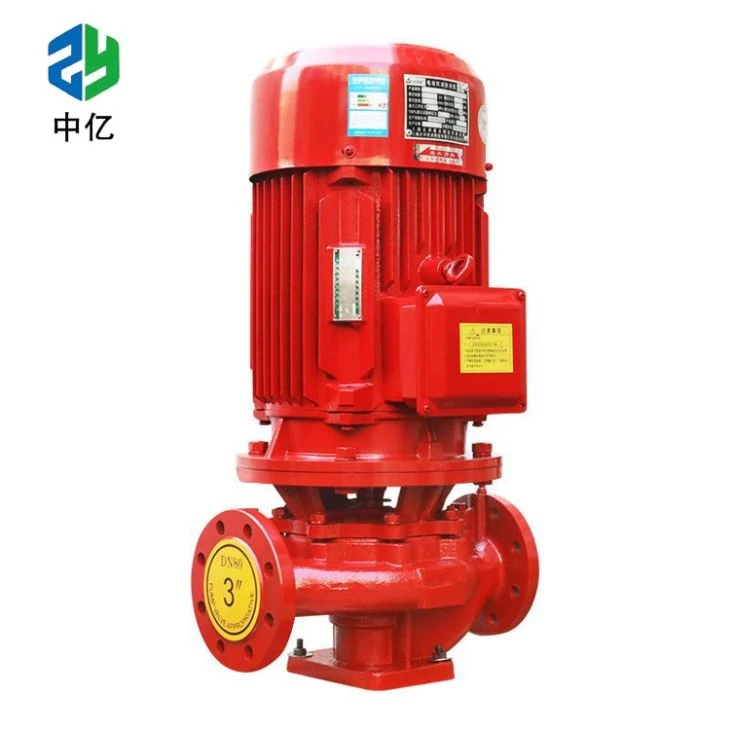
As a fire pump diesel engine supplier, we also offer a range of high - quality fire pumps to complement our engines. For example, we have the Cast Iron Single Stage Fire Pump, which is known for its durability and reliability. Our Single Stage Fire Pump is a great option for smaller applications, and the Horizontal Single Stage Fire Pump offers a compact and efficient design.
If you're in the market for a fire pump diesel engine or related products, don't hesitate to contact us for more information. We're here to help you find the right solution for your needs and ensure that your fire protection system is in top - notch condition. Whether you're a contractor, a facility manager, or someone responsible for fire safety, we can provide you with the products and support you need.
Conclusion
Maintaining a fire pump diesel engine is not a one - time task but an ongoing process. By following these tips and performing regular maintenance, you can ensure that your fire pump diesel engine is always ready to perform when an emergency arises. Remember, a well - maintained engine not only provides reliable service but also saves you money in the long run by reducing the need for costly repairs and replacements.
If you have any questions about fire pump diesel engine maintenance or are interested in purchasing one of our products, feel free to reach out. We're happy to assist you with all your fire protection needs.

References
- Diesel Engine Maintenance Manuals from Various Manufacturers
- Industry Standards for Fire Pump Maintenance
- Professional Journals on Fire Protection and Diesel Engine Technology