

As a supplier of Fire Pump Diesel Engines, I often receive inquiries from customers about the operating duration of a fire pump diesel engine with a full fuel tank. This is a critical question, especially for those involved in industries where fire safety is of utmost importance, such as manufacturing plants, warehouses, and large commercial buildings. In this blog post, I will delve into the factors that determine how long a fire pump diesel engine can run when its fuel tank is full.
Understanding the Basics
Before we discuss the runtime, it's essential to understand the basic components and functioning of a fire pump diesel engine. A fire pump diesel engine is designed to provide a reliable power source for fire pumps in the event of a fire. These engines are typically rugged and built to withstand harsh conditions, ensuring they can operate when needed most.

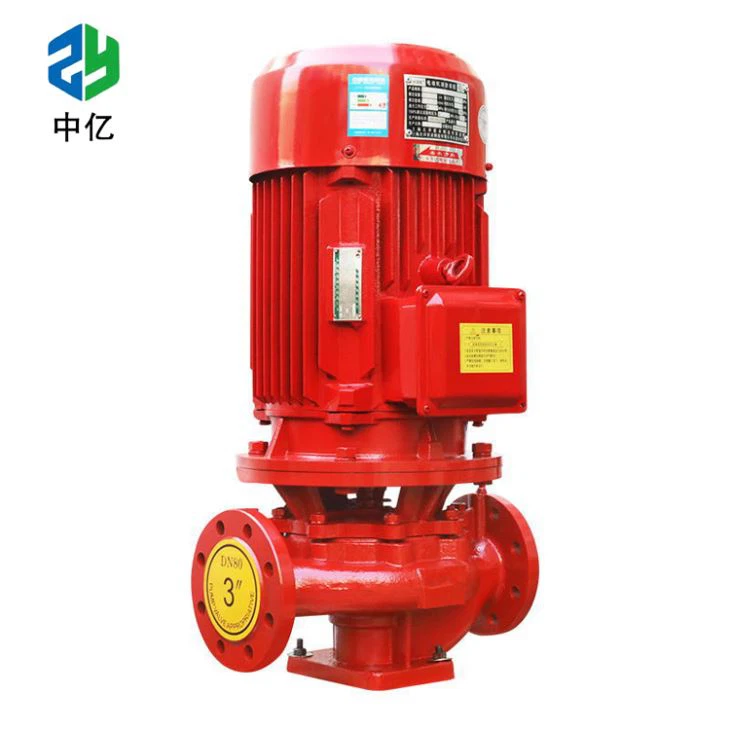
The fuel tank of a fire pump diesel engine stores the diesel fuel required for its operation. The size of the fuel tank varies depending on the engine's power output and the intended application. Larger engines generally have larger fuel tanks to accommodate their higher fuel consumption rates.
Factors Affecting Runtime
Several factors influence how long a fire pump diesel engine can run with a full fuel tank. Let's take a closer look at each of these factors:
Engine Power and Fuel Consumption
The power output of a fire pump diesel engine is a crucial determinant of its fuel consumption rate. Engines with higher power ratings typically consume more fuel per hour of operation. For example, a large industrial fire pump diesel engine with a high horsepower rating will consume more diesel fuel than a smaller engine designed for a residential or small commercial application.
To calculate the fuel consumption rate of a particular engine, you can refer to the engine's manufacturer specifications. These specifications usually provide the fuel consumption rate in liters per hour (LPH) or gallons per hour (GPH) at different load levels. By knowing the fuel consumption rate and the capacity of the fuel tank, you can estimate the runtime of the engine.
Load on the Engine
The load on the fire pump diesel engine also affects its fuel consumption and, consequently, its runtime. When the engine is running at full load, it consumes more fuel than when it is running at a partial load. In a fire situation, the engine may need to operate at full load to ensure sufficient water pressure and flow from the fire pump.
However, in some cases, the engine may operate at a lower load if the fire is small or if the water demand is not as high. By modulating the load on the engine, operators can potentially extend its runtime.
Fuel Efficiency
The fuel efficiency of a fire pump diesel engine is another important factor. Modern engines are designed to be more fuel-efficient, thanks to advancements in engine technology and design. Engines with better fuel efficiency can run longer on a full tank of fuel compared to less efficient models.
When selecting a fire pump diesel engine, it's important to consider its fuel efficiency ratings. Look for engines that offer a good balance between power output and fuel consumption.
Tank Capacity
The size of the fuel tank is a straightforward factor that determines how long the engine can run. A larger fuel tank can store more diesel fuel, allowing the engine to operate for a longer period without refueling.
When choosing a fire pump diesel engine, consider the required runtime based on your specific application. If you need the engine to run for an extended period, such as in a remote location where refueling may be difficult, opt for an engine with a larger fuel tank.
Calculating the Runtime
To calculate how long a fire pump diesel engine can run with a full fuel tank, you can use the following formula:
Runtime = (Fuel Tank Capacity / Fuel Consumption Rate)
For example, if a fire pump diesel engine has a fuel tank capacity of 200 liters and a fuel consumption rate of 20 liters per hour (at full load), the runtime would be:
Runtime = 200 liters / 20 liters per hour = 10 hours
It's important to note that this is a simplified calculation, and the actual runtime may vary depending on the factors mentioned above.
Real - World Applications
In real - world applications, the runtime of a fire pump diesel engine is a critical consideration. For example, in a large industrial complex, the fire protection system may be required to operate continuously for several hours in the event of a major fire. In such cases, a fire pump diesel engine with a large fuel tank and high fuel efficiency is essential.
Let's consider two types of fire pumps commonly used in conjunction with diesel engines: the Horizontal Single Stage Fire Pump and the Stainless Steel Single Fire Pump. These pumps are often powered by Fire Pump Diesel Engines, and the runtime of the diesel engine directly impacts the effectiveness of the fire protection system.
In a remote area where there is limited access to fuel, a fire pump diesel engine with a large fuel tank can provide reliable fire protection for an extended period. This is especially important in areas such as mining sites, oil and gas facilities, and forestry operations.
Maintenance and Storage for Extended Runtime
To ensure that a fire pump diesel engine can run for the expected duration, proper maintenance is crucial. Regular maintenance tasks include checking the fuel system for leaks, changing the fuel filters, and inspecting the engine components for wear and tear.
In addition, proper storage of diesel fuel is essential. Diesel fuel can degrade over time, especially if it is stored in improper conditions. This can lead to clogged fuel filters and reduced engine performance. It's recommended to store diesel fuel in a cool, dry place and use fuel additives to prevent degradation.
Conclusion
The runtime of a fire pump diesel engine with a full fuel tank depends on several factors, including engine power, load, fuel efficiency, and tank capacity. By understanding these factors and making informed choices when selecting an engine, you can ensure that your fire protection system is reliable and can operate for the required duration in the event of a fire.
If you are in the market for a high - quality Fire Pump Diesel Engine, we are here to help. Our team of experts can assist you in selecting the right engine for your specific needs, taking into account factors such as required runtime, power output, and fuel efficiency. Contact us today to start a discussion about your fire pump diesel engine requirements. We look forward to partnering with you to ensure the safety and reliability of your fire protection system.
References
- Manufacturer specifications of leading fire pump diesel engine brands
- Industry standards and guidelines for fire protection systems
- Research papers on diesel engine fuel efficiency and performance