

Hey there! As a supplier of submersible aerators, I often get asked a lot of questions about where and how our products can be used. One question that has come up quite a bit lately is, "Can a submersible aerator be used in a rain - water collection tank?" Let's dive into this topic and find out.
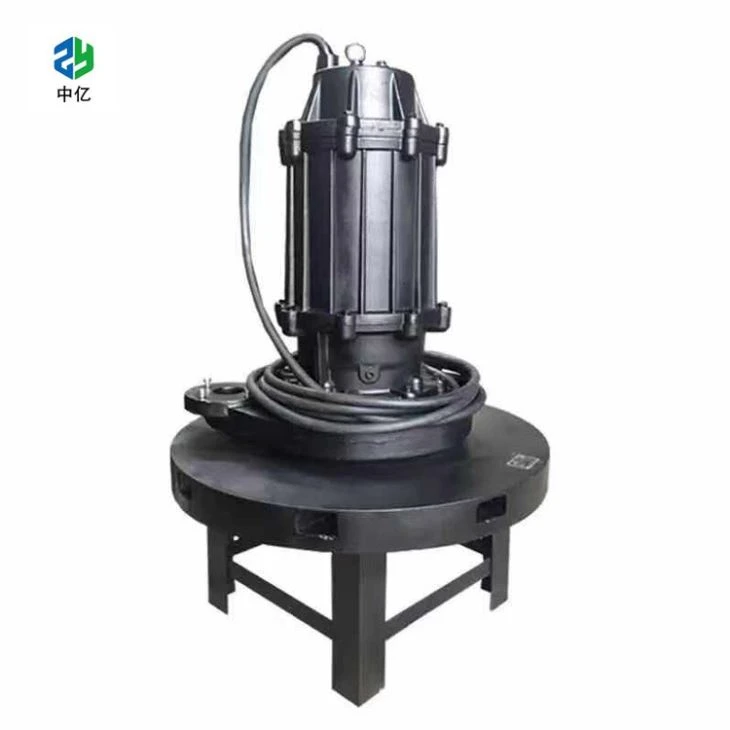
First off, let's understand what a submersible aerator does. A submersible aerator is a nifty piece of equipment that's designed to pump air into water. It's mainly used in water treatment and aquaculture, but its applications can be broader. There are different types of submersible aerators, like the Centrifugal Submersible Aerator. This type uses a centrifugal force to mix air and water, creating a high - oxygen environment in the water.
Now, let's talk about rain - water collection tanks. These tanks are a great way to collect and store rainwater for various uses, like watering your garden, flushing toilets, or even doing laundry. The water in these tanks can sometimes become stagnant, especially if it sits there for a long time. Stagnant water can develop a bad smell, grow algae, and even become a breeding ground for mosquitoes.
So, can a submersible aerator help with these issues in a rain - water collection tank? The answer is yes! When you use a submersible aerator in a rain - water collection tank, it adds oxygen to the water. Oxygen is like a magic ingredient for water. It helps to break down organic matter, which reduces the bad smell. It also inhibits the growth of algae because algae thrive in low - oxygen environments. And by keeping the water moving, it makes it less likely for mosquitoes to lay their eggs.
Take the Submersible Aerator for Wastewater Treatment. This aerator is designed to be efficient in oxygenating water, and it can work just as well in a rain - water collection tank. It can create a circulation pattern in the tank, ensuring that every part of the water gets enough oxygen.
But before you rush out and buy a submersible aerator for your rain - water collection tank, there are a few things you need to consider. First, you need to make sure that the aerator is the right size for your tank. If it's too small, it won't be able to oxygenate the water effectively. If it's too large, it might use more energy than necessary.
You also need to think about the power source. Most submersible aerators run on electricity, so you need to have a power supply near the tank. If you're in a remote area or want to be more eco - friendly, you might consider a solar - powered aerator.

Another thing to keep in mind is the maintenance. Like any piece of equipment, submersible aerators need regular maintenance. You'll need to clean the aerator periodically to prevent clogging. And you should also check the motor and other components to make sure they're working properly.
Let's talk about the benefits of using a submersible aerator in a rain - water collection tank in more detail. One of the biggest benefits is water quality. As I mentioned earlier, adding oxygen to the water improves its quality. It makes the water less likely to develop a bad smell, and it reduces the growth of harmful bacteria and algae. This means that the water in your tank will be cleaner and safer to use.
In addition to water quality, a submersible aerator can also extend the lifespan of your rain - water collection tank. When the water is stagnant, it can cause corrosion and damage to the tank. By keeping the water moving and oxygenated, you can prevent this from happening.
From an environmental perspective, using a submersible aerator in a rain - water collection tank is a great idea. It helps to reduce the use of treated water from the municipal supply, which saves water and energy. And by preventing the growth of mosquitoes, it can also reduce the use of pesticides.
Now, I know you might be thinking, "This all sounds great, but how do I choose the right submersible aerator for my rain - water collection tank?" Well, there are a few factors you need to consider. First, look at the flow rate of the aerator. The flow rate determines how much water the aerator can oxygenate per unit of time. You'll want to choose an aerator with a flow rate that's appropriate for the size of your tank.
Next, consider the power consumption. A more powerful aerator will use more energy, but it might also be more effective. You need to find a balance between power and efficiency.
Finally, look at the durability of the aerator. You want an aerator that's made of high - quality materials and can withstand the conditions in your rain - water collection tank.
If you're interested in purchasing a submersible aerator for your rain - water collection tank, I'd love to help. We have a wide range of submersible aerators that are suitable for different tank sizes and applications. Whether you need a small aerator for a residential rain - water collection tank or a large one for a commercial setup, we've got you covered.
If you have any questions or want to discuss your specific needs, feel free to reach out. We're here to help you make the right choice for your rain - water collection tank. Contact us to start the conversation and let's find the perfect submersible aerator for you.
References
- General knowledge of submersible aerators and water treatment
- Industry research on the use of aerators in water storage tanks