

Hey there, fellow koi enthusiasts! As a supplier of submersible aerators, I often get asked, "Can a submersible aerator be used in a koi pond?" Well, let's dive right into this topic and find out.

First off, let's talk about why aeration is crucial for a koi pond. Koi are big fish that need a lot of oxygen to thrive. They're active swimmers, and they produce a fair amount of waste. Without proper aeration, the oxygen levels in the pond can drop, leading to stressed and sick fish. Low oxygen levels can also cause a build - up of harmful substances like ammonia and nitrites, which are toxic to koi.
So, can a submersible aerator do the job? The answer is a resounding yes! Submersible aerators are great for koi ponds for several reasons.
One of the main advantages of using a submersible aerator is its efficiency. These aerators work by pumping air into the water, creating bubbles that rise to the surface. As the bubbles rise, they transfer oxygen from the air into the water. The movement of the bubbles also helps to circulate the water in the pond, which is important for distributing oxygen evenly and preventing stagnant areas.
Another benefit is that submersible aerators are relatively easy to install. You don't need to build a complex system or have a lot of technical knowledge. All you have to do is place the aerator at the bottom of the pond, connect it to a power source, and you're good to go. This makes them a convenient option for both small and large koi ponds.
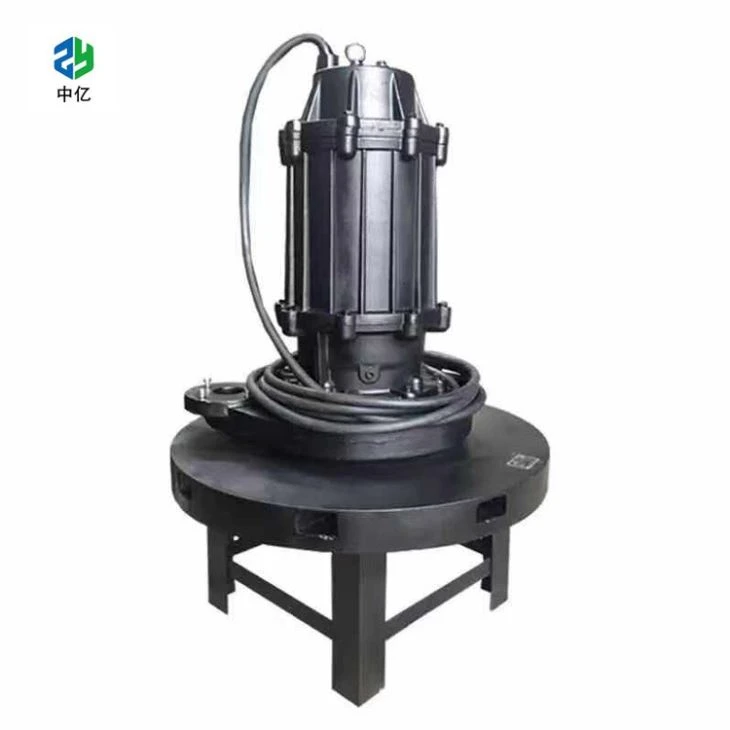
There are different types of submersible aerators available on the market. For example, the Centrifugal Submersible Aerator is a popular choice. It uses a centrifugal impeller to draw in air and mix it with water. This type of aerator is known for its high - performance and ability to aerate large volumes of water.
If you're dealing with a pond that has a lot of organic matter or is used for wastewater treatment, the Submersible Aerator for Wastewater Treatment might be a better fit. It's designed to handle the tough conditions and can help to break down organic waste while adding oxygen to the water.
When choosing a submersible aerator for your koi pond, there are a few things you need to consider. The size of your pond is an important factor. A small pond will require a smaller aerator, while a large pond will need a more powerful one. You also need to think about the depth of the pond. Some aerators are designed to work better at certain depths, so make sure you choose one that's suitable for your pond's depth.
The number of koi in your pond also matters. More koi means more oxygen demand, so you'll need a more powerful aerator to keep up. It's a good idea to do some calculations based on the size of your pond and the number of fish to determine the right aerator capacity.
Maintenance is another aspect to keep in mind. Submersible aerators are generally low - maintenance, but they still need some attention. You should regularly clean the aerator to prevent clogging, especially if your pond has a lot of debris. Check the air intake and the impeller for any signs of damage or blockage. Also, make sure to replace any worn - out parts as needed.
Let's talk about the cost. Submersible aerators can vary in price depending on their size, brand, and features. While you might be tempted to go for the cheapest option, it's important to remember that quality matters. A good - quality aerator will last longer and perform better, which can save you money in the long run.
Now, I know some of you might be worried about the noise. After all, you don't want a noisy aerator ruining the peaceful atmosphere of your koi pond. Most modern submersible aerators are designed to operate quietly. However, if noise is a major concern for you, look for aerators that are specifically advertised as being quiet.
In addition to providing oxygen, submersible aerators can also have other positive effects on your koi pond. The water movement created by the aerator can help to prevent the growth of algae. Algae thrive in stagnant water, and by keeping the water circulating, you can reduce the chances of an algae bloom.
The aeration process can also improve the overall water quality. It helps to break down organic matter, which reduces the amount of sludge at the bottom of the pond. This can make your pond look cleaner and healthier for your koi.
So, to sum it up, a submersible aerator is definitely a great option for a koi pond. It provides the necessary oxygen, helps to circulate the water, and can improve the overall water quality. Whether you have a small backyard pond or a large commercial koi farm, there's a submersible aerator out there that can meet your needs.
If you're interested in purchasing a submersible aerator for your koi pond, I'd love to help you find the right one. We have a wide range of high - quality submersible aerators at competitive prices. Feel free to reach out to us for more information and to start a purchase negotiation. We're here to make sure your koi have the best possible environment to live in.
References
- Aquaculture literature on water quality and aeration
- Manufacturer's guides for submersible aerators