

Hey there! As a diaphragm pump supplier, I often get asked, "Can a diaphragm pump run dry?" It's a common concern among customers, and rightfully so. So, let's dive into this topic and clear up any confusion.
Understanding Diaphragm Pumps
First off, let's quickly go over what diaphragm pumps are. Diaphragm pumps are positive displacement pumps that use a flexible diaphragm to move fluid. The diaphragm moves back and forth, creating a vacuum that draws fluid into the pump chamber and then pushes it out. They're known for their versatility, reliability, and ability to handle a wide range of fluids, from chemicals to abrasive slurries.
There are different types of diaphragm pumps, like Electric Diaphragm Pump, Stainless Steel Electric Diaphragm Pump, and Miniature 12v Diaphragam Pump. Each type has its own unique features and applications, but they all operate on the same basic principle.
The Short Answer
The short answer is, it depends. Some diaphragm pumps can run dry for a short period without causing significant damage, while others can't. It all boils down to the design and construction of the pump, as well as the materials used.
Pumps That Can Run Dry
Some diaphragm pumps are designed to run dry. These pumps typically have features that prevent overheating and damage when there's no fluid in the system. For example, they might have self-lubricating materials or cooling mechanisms that keep the pump components from getting too hot.
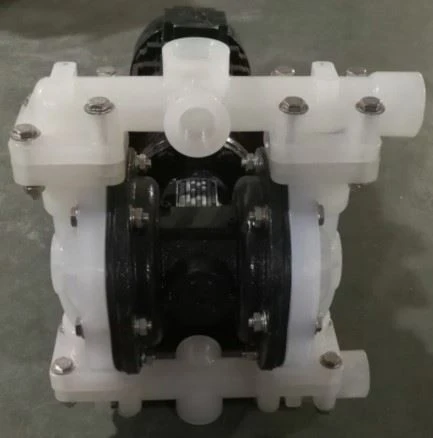
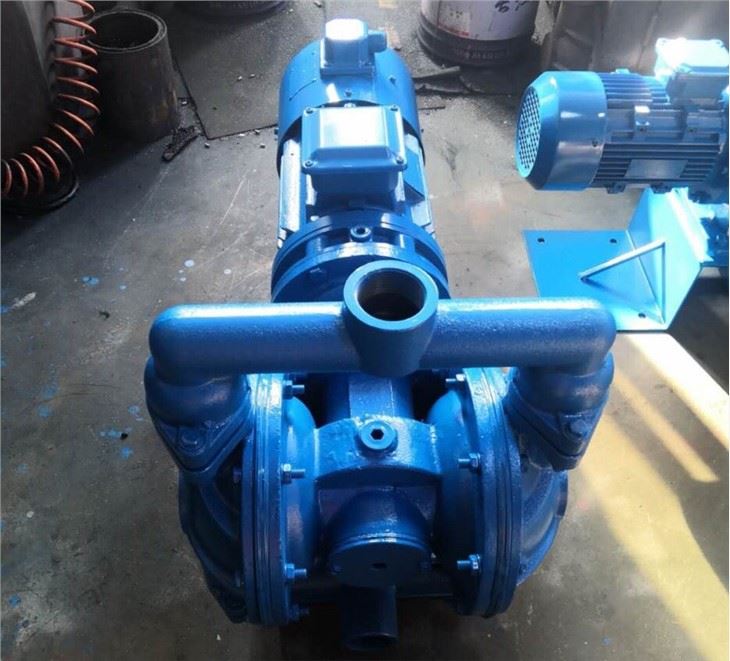
In general, pneumatic diaphragm pumps are more likely to be able to run dry than electric ones. Pneumatic pumps use compressed air to drive the diaphragm, and the air flow can help dissipate heat. Plus, the design of many pneumatic diaphragm pumps allows them to operate without fluid for a short time without causing harm.
Pumps That Can't Run Dry
On the other hand, not all diaphragm pumps are built to handle dry running. Some pumps rely on the fluid being pumped to lubricate and cool the internal components. If these pumps run dry, the lack of lubrication can cause excessive friction and heat, leading to wear and tear on the diaphragm, valves, and other parts.
This is especially true for electric diaphragm pumps that use a motor to drive the diaphragm. Without fluid to cool the motor and other components, the pump can overheat quickly, which can damage the motor and other electrical parts.
Risks of Running a Diaphragm Pump Dry
Even if your diaphragm pump is designed to run dry, there are still risks involved. Running a pump dry for an extended period can cause the following problems:
- Wear and Tear: The lack of fluid can cause increased friction between the diaphragm and other moving parts, leading to accelerated wear. This can shorten the lifespan of the pump and increase the need for maintenance and repairs.
- Overheating: Without fluid to dissipate heat, the pump can overheat. Overheating can damage the motor, diaphragm, and other components, and in severe cases, it can even cause a fire.
- Lubrication Issues: Some pumps rely on the fluid being pumped to lubricate the internal components. Running the pump dry can lead to a lack of lubrication, which can cause parts to seize up or break.
- Seal Damage: The seals in a diaphragm pump are designed to prevent fluid from leaking out. Running the pump dry can cause the seals to dry out and crack, leading to leaks.
How to Avoid Running a Diaphragm Pump Dry
To prevent damage to your diaphragm pump, it's important to take steps to avoid running it dry. Here are some tips:
- Install a Low-Level Sensor: A low-level sensor can detect when the fluid level in the tank or container is getting low and automatically shut off the pump to prevent dry running.
- Monitor the Pump: Regularly check the pump and the fluid level to make sure everything is working properly. If you notice any signs of problems, such as unusual noise or vibration, stop the pump immediately and investigate.
- Follow the Manufacturer's Instructions: Always follow the manufacturer's instructions for operating and maintaining the pump. This includes recommended operating conditions, maintenance schedules, and safety precautions.
- Use a Properly Sized Pump: Make sure you choose a pump that's the right size for your application. An undersized pump may have to work harder, increasing the risk of overheating and dry running.
Conclusion
So, can a diaphragm pump run dry? The answer is yes and no. Some pumps are designed to handle dry running, while others aren't. As a diaphragm pump supplier, I always recommend that customers check the manufacturer's specifications to see if their pump can run dry. If in doubt, it's better to err on the side of caution and avoid running the pump dry.
If you're in the market for a diaphragm pump, or if you have any questions about your existing pump, feel free to reach out. We're here to help you find the right pump for your needs and ensure that it operates safely and efficiently. Whether you need an Electric Diaphragm Pump, Stainless Steel Electric Diaphragm Pump, or Miniature 12v Diaphragam Pump, we've got you covered. Let's start a conversation and find the best solution for your pumping requirements.
References
- Principles of Diaphragm Pumps - Chemical Engineering Handbook
- Preventive Maintenance for Diaphragm Pumps - Industrial Pumping Journal
- Safety Guidelines for Pump Operation - Occupational Safety and Health Administration