

Hey there! As a supplier of Chemicals Centrifugal Pumps, I've seen firsthand how crucial it is to understand the compatibility issues that can pop up when using these pumps with different chemicals. In the chemical industry, getting the right pump - chemical match isn't just a good idea; it's a must - have for smooth operations and safety.
Let's start by talking about what a Chemicals Centrifugal Pump is. These pumps work by using a rotating impeller to create a centrifugal force that moves the fluid. They're super common in chemical processing because they can handle all sorts of flow rates and pressures. We offer a variety of models, like the Piping Centrifugal Pump, the Single horizontal centrifugal pump, and the IHF Chemicals Centrifugal Pump. Each one has its own unique features and is designed for specific applications.
Why Compatibility Matters
First off, when a pump isn't compatible with the chemical it's handling, it can lead to all kinds of problems. Corrosion is one of the biggest issues. If the chemicals are too harsh for the materials that the pump is made of, they can start eating away at the pump's components. This not only shortens the pump's lifespan but can also lead to leaks, which are a huge safety hazard. For example, if you're pumping a highly acidic chemical through a pump made of a material that isn't acid - resistant, the acid will gradually corrode the impeller, casing, and other parts. As the corrosion progresses, the pump's performance will decline, leading to lower flow rates and less pressure.

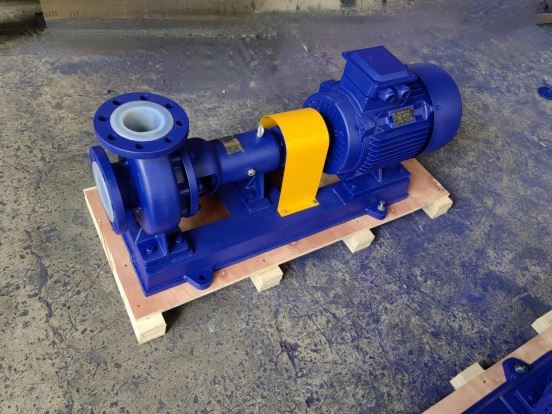
Another problem is chemical degradation. Some chemicals can react with the pump materials and break down, changing their chemical properties. This can be a big deal in industries where the purity of the chemical is crucial, like in pharmaceuticals or electronics manufacturing. If a chemical degrades while being pumped, it might not work as intended in the downstream processes.
Common Compatibility Issues and How to Avoid Them
1. Material Selection
The most important thing when dealing with chemical compatibility is choosing the right materials for the pump. Different chemicals require different materials to avoid corrosion and degradation. For instance, stainless steel is a popular choice because it's resistant to many mild chemicals. But for more aggressive chemicals like hydrochloric acid, you might need to use a pump made of materials like polypropylene or fluoropolymers.
We carry pumps made from a wide range of materials so that you can find the right fit for your specific chemicals. Before making a purchase, it's important to know the characteristics of the chemicals you'll be pumping, including their pH level, temperature, and concentration. You can also consult with our experts, who can help you select the best pump based on your needs.
2. Temperature and Viscosity
Temperature and viscosity can also affect the compatibility of a pump with a chemical. High - temperature chemicals can cause the pump materials to expand and lose their structural integrity. This can lead to leaks and mechanical failures. On the other hand, if the temperature is too low, the chemical might become too viscous, making it difficult for the pump to move the fluid. When dealing with high - temperature chemicals, you need to choose a pump that's designed to withstand those temperatures. Some pumps come with special insulation or cooling systems to handle extreme heat. For viscous chemicals, you might need a pump with a more powerful motor or a larger impeller to ensure proper flow.
3. Chemical Contamination
When you're using a pump to handle different chemicals, there's always a risk of chemical contamination. If the pump isn't properly cleaned between uses, traces of one chemical can mix with another, leading to unwanted reactions. For example, if you use a pump to transfer a corrosive chemical and then immediately use it to transfer a sensitive chemical, the corrosive residue can contaminate the sensitive chemical.
To prevent this, it's important to have a proper cleaning procedure in place. After each use, thoroughly clean the pump using a compatible cleaning solution. You might also want to consider using dedicated pumps for different chemicals, especially if the chemicals are likely to react with each other.
Case Studies
Let me share a couple of real - world examples to drive home the importance of chemical compatibility.
A chemical manufacturing plant was using a standard stainless - steel centrifugal pump to transfer a highly concentrated sulfuric acid solution. At first, everything seemed to be working fine, but after a few weeks, they noticed that the pump's performance was starting to decline. The flow rate was dropping, and there were some minor leaks. Upon inspection, they found that the sulfuric acid had corroded the impeller and the casing of the pump. They quickly replaced the pump with a IHF Chemicals Centrifugal Pump made of a more acid - resistant material, and the problems were solved.
In another case, a food processing company was using a pump to transfer a thick, viscous syrup. The pump they were using was designed for low - viscosity fluids, and it was struggling to handle the syrup. The flow was inconsistent, and the motor was overheating. They switched to a Single horizontal centrifugal pump with a larger impeller and a more powerful motor, and the syrup was transferred smoothly.
Conclusion
In conclusion, understanding the compatibility issues when using a Chemicals Centrifugal Pump with different chemicals is essential for the success and safety of your operations. From choosing the right materials to considering temperature, viscosity, and preventing contamination, there are many factors to keep in mind. As a supplier of high - quality Chemicals Centrifugal Pumps, we're here to help you navigate these challenges. Whether you need a Piping Centrifugal Pump for general chemical transfer or a specialized pump for a specific chemical, we've got you covered.
If you're in the market for a Chemicals Centrifugal Pump, or if you have any questions about chemical compatibility, don't hesitate to reach out. We're always ready to have a chat and help you find the perfect pump for your needs. Let's work together to ensure that your chemical processing operations run smoothly and safely.
References
- Perry, R. H., & Green, D. W. (1997). Perry's Chemical Engineers' Handbook. McGraw - Hill.
- Walas, S. M. (1990). Chemical Process Equipment: Selection and Design. Butterworth - Heinemann.