

So, you've got yourself a booster pump set. Maybe you're using it for your home's water supply, or perhaps it's part of a larger industrial setup. As a Booster Pump Set supplier, I've seen firsthand how important it is to keep these units in tip - top shape. In this blog, I'll share some key tips on how to maintain a booster pump set.
First things first, let's talk about inspection. Regular inspections are like going to the doctor for your pump set. You should check it at least once a month. Start by looking at the exterior. See if there are any signs of leaks. Leaks can cause a big headache, and not just because of the wasted water. They can also lead to corrosion and damage to other components. If you spot a leak, don't ignore it. Tighten any loose connections, and if the problem persists, you might need to replace some gaskets.
Next, take a look at the motor. The motor is the heart of the booster pump set. Check for any overheating. You can usually tell if the motor is too hot by feeling it carefully (but don't burn yourself!). Overheating can be a sign of a problem with the electrical supply, such as a voltage drop, or it could be due to a mechanical issue like a stuck impeller. Listen to the motor as well. If it's making strange noises, like grinding or rattling, that's a red flag. It could mean there are worn - out bearings or other internal problems.
The impeller is another crucial part. The impeller is what moves the water through the pump. Over time, it can get clogged with debris. This can reduce the pump's efficiency and even cause it to fail. To check the impeller, you'll need to open up the pump housing (make sure the power is off first!). Look for any dirt, sand, or other particles that might be stuck to it. If it's dirty, you can clean it gently with a soft brush and water. But be careful not to damage the impeller blades.
Now, let's touch on the pressure switch. The pressure switch controls when the pump turns on and off based on the water pressure. It's important to ensure that it's working correctly. You can test the pressure switch by checking the pressure settings. If the pump isn't turning on or off at the right pressures, you might need to adjust the switch. Sometimes, the contacts inside the switch can get dirty or worn out, which can cause problems. In this case, they may need to be cleaned or replaced.
Lubrication is also key, especially for parts that have moving components. Many booster pump sets have bearings that need to be lubricated regularly. Check the manufacturer's instructions to find out what type of lubricant to use and how often to apply it. Using the wrong lubricant can cause damage, so it's important to follow the guidelines.
The water quality can also have a big impact on the lifespan of your booster pump set. If you're using water that's high in minerals or other contaminants, it can cause scaling inside the pump. Scaling can reduce the flow of water and put extra strain on the pump. To prevent this, you might want to install a water filtration system. This will help remove the impurities before they can cause problems.
Ventilation is something that's often overlooked. The motor of the booster pump set needs proper ventilation to prevent overheating. Make sure there's enough space around the pump for air to circulate. If it's installed in an enclosed area, consider adding a fan or vents to improve the airflow.
When it comes to the electrical connections, they should be checked regularly. Loose or corroded connections can lead to electrical problems and even pose a safety hazard. Make sure all the wires are tightly connected and there are no signs of corrosion. If you see any rust or discoloration on the terminals, clean them with a wire brush and apply a corrosion - resistant spray.
Now, I want to talk about some specific types of booster pump sets. If you have a Vertical Multistage Centrifugal Pump, it has multiple stages that work together to increase the water pressure. These pumps are very efficient, but they also require a bit more attention. The seals between the stages need to be checked for leaks regularly, as a small leak at one stage can affect the overall performance.
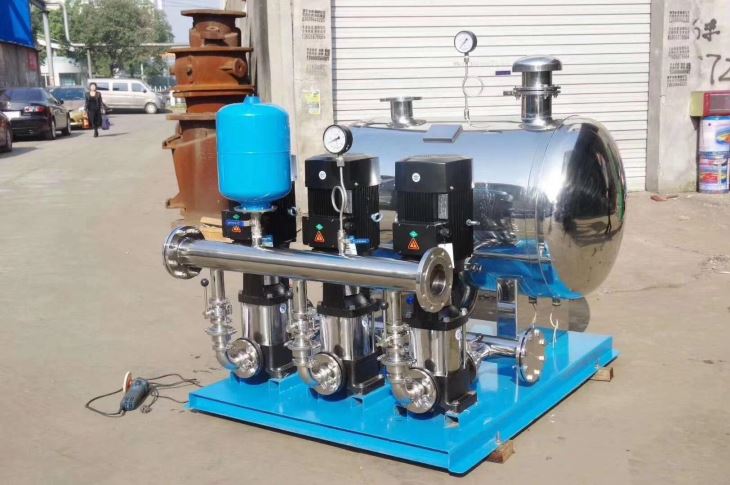
Our Booster Pump Set is designed to meet a variety of needs. It's built with high - quality materials to ensure durability and long - term performance. However, like any piece of equipment, it still needs proper maintenance.
And if you've opted for a Stainless Steel Manifold Water Booster pump Set, the stainless - steel manifold is great because it's resistant to corrosion. But you still need to make sure the connections to the manifold are tight and there are no signs of damage.
In conclusion, maintaining a booster pump set isn't rocket science, but it does require some regular attention. By following these simple steps, you can extend the lifespan of your pump set, improve its efficiency, and avoid costly repairs. If you have any questions about maintenance or if you're thinking of purchasing a new booster pump set, don't hesitate to reach out. We're here to help you make the right choices for your water - boosting needs.

References:
- General knowledge from years of experience as a Booster Pump Set supplier.
- Manufacturer's manuals for various booster pump sets.